 by
by 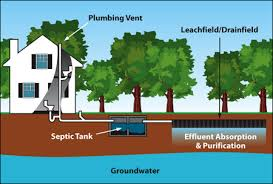
Key Takeaways
- Traditional septic systems often fail to adequately remove nitrogen, contributing to water pollution.
- Nitrogen-reducing septic systems can significantly decrease nitrogen discharge, enhancing water quality.
- Adoption of these systems is supported by various governmental initiatives and funding programs.
Table of Contents
- The Impact of Nitrogen Pollution
- How Nitrogen-Reducing Septic Systems Work
- Benefits of Adopting Nitrogen-Reducing Systems
- Government Initiatives and Funding
- Real-World Implementations
- Challenges and Considerations
- Steps to Transition to Nitrogen-Reducing Systems
- Conclusion
Across many communities, water quality is threatened by excess nitrogen entering waterways from aging wastewater infrastructure. A major contributor to this issue is conventional septic systems, which do not effectively remove nitrogen. Upgrading to nitrogen-reducing septic systems can help mitigate nitrogen pollution, safeguarding both local environments and public health.
These innovative systems have proven to be a powerful tool in addressing water pollution. They work by reducing the amount of nitrogen that seeps from household wastewater into groundwater and, eventually, lakes, rivers, and oceans. This results in healthier aquatic ecosystems, fewer algal blooms, and more resilient communities overall.
Implementing better wastewater treatment also provides economic and recreational benefits: cleaner lakes and rivers attract visitors, support fisheries, and maintain real estate values. The push for advanced septic upgrades is supported by a growing coalition of policymakers, local governments, and organizations committed to restoring water quality in vulnerable regions.
For those interested in system upgrades or installations, consulting with a qualified septic tank supplier can help homeowners choose suitable products and navigate regulatory requirements.
The Impact of Nitrogen Pollution
Nitrogen is an essential nutrient for plants, but too much in aquatic environments leads to a process called eutrophication. This stimulates fast-growing algae, causing algal blooms that reduce oxygen in the water, kill fish, and make the water unsafe for recreation. Communities across the United States have observed that nitrogen pollution from traditional septic systems plays a substantial role in these problems. Nitrogen is increasingly recognized by water quality experts as one of the principal threats to coastal health, exacerbating red tides and similar phenomena.
How Nitrogen-Reducing Septic Systems Work
Nitrogen-reducing septic systems, sometimes called Innovative/Alternative Onsite Wastewater Treatment Systems (I/A OWTS), employ advanced treatment processes that go beyond traditional septic tanks. These systems use biological or mechanical processes to convert nitrogen compounds in wastewater into nitrogen gas, which is harmless and released into the atmosphere. Common features include aeration chambers that promote the growth of denitrifying bacteria and secondary treatment stages to further clean the water before it is dispersed. Some systems incorporate recirculation loops or media filters to further decrease nitrogen content, making them effective even in sensitive coastal or lakeside environments.
Benefits of Adopting Nitrogen-Reducing Systems
- Improved Water Quality: Significantly lowering nitrogen discharge helps prevent algae overgrowth, making water safer for swimming, fishing, and wildlife.
- Public Health Protection: By reducing nitrogen and associated contaminants, these systems minimize risks to drinking water sources and reduce the likelihood of waterborne illnesses.
- Environmental Preservation: Healthier waterways maintain diverse aquatic life and support robust habitats for birds, fish, and other species important to the local ecosystem.
Government Initiatives and Funding
State and federal authorities recognize the need for clean water and have launched programs to assist in adopting advanced septic technologies. For example, New York State has invested millions in grant-funded upgrades for residents, particularly in regions near vulnerable waters. On a national level, the Environmental Protection Agency promotes technical and financial support for communities seeking to reduce nutrient pollution. Many local governments also offer rebates or low-cost loans to make upgrades accessible to more homeowners.
Real-World Implementations
Several coastal areas have seen success with nitrogen-reducing technology. In West Falmouth, Massachusetts, a targeted project installed dozens of upgraded systems, resulting in a measurable decrease in nitrogen release into the bay and a corresponding reduction in harmful algae events. Similarly, communities in Florida have been able to keep thousands of pounds of nitrogen out of lakes and springs by using distributed treatment networks. These case studies have inspired other regions to consider large-scale adoption of advanced onsite treatment solutions.
Challenges and Considerations
- Cost: Advanced nitrogen-reducing systems have a higher initial price tag than standard septic tanks. However, many homeowners find that financial aid and incentives can make upgrades more affordable in the long run.
- Maintenance: Routine maintenance is crucial to optimal performance. These systems may require periodic inspections and specialized service, which can add to ongoing costs.
- Regulatory Compliance: Upgrading often involves obtaining new permits and ensuring adherence to evolving codes. Homeowners should consult local health departments to understand all requirements.
Steps to Transition to Nitrogen-Reducing Systems
- Assess Current System: Have your existing septic system evaluated for condition and environmental risk.
- Research Options: Investigate available nitrogen-reducing technologies that suit your property’s needs and regulatory context.
- Consult Professionals: Work with a licensed contractor or system designer. Coordination with local environmental authorities helps ensure all standards are met.
- Seek Financial Assistance: Look into grants, rebates, or affordable financing programs available at the state or municipal level.
- Plan for Maintenance: Establish a maintenance schedule and keep records to make certain the system remains effective for years to come.
Conclusion
Transitioning to nitrogen-reducing septic systems represents a crucial step for communities that want to protect their waterways and quality of life. With support through government programs and careful planning, homeowners can make upgrades that preserve natural resources, boost property value, and ensure clean water for generations ahead. Staying informed about new treatment options and local regulations is essential for making responsible decisions that sustain both public health and the environment.
