 by
by 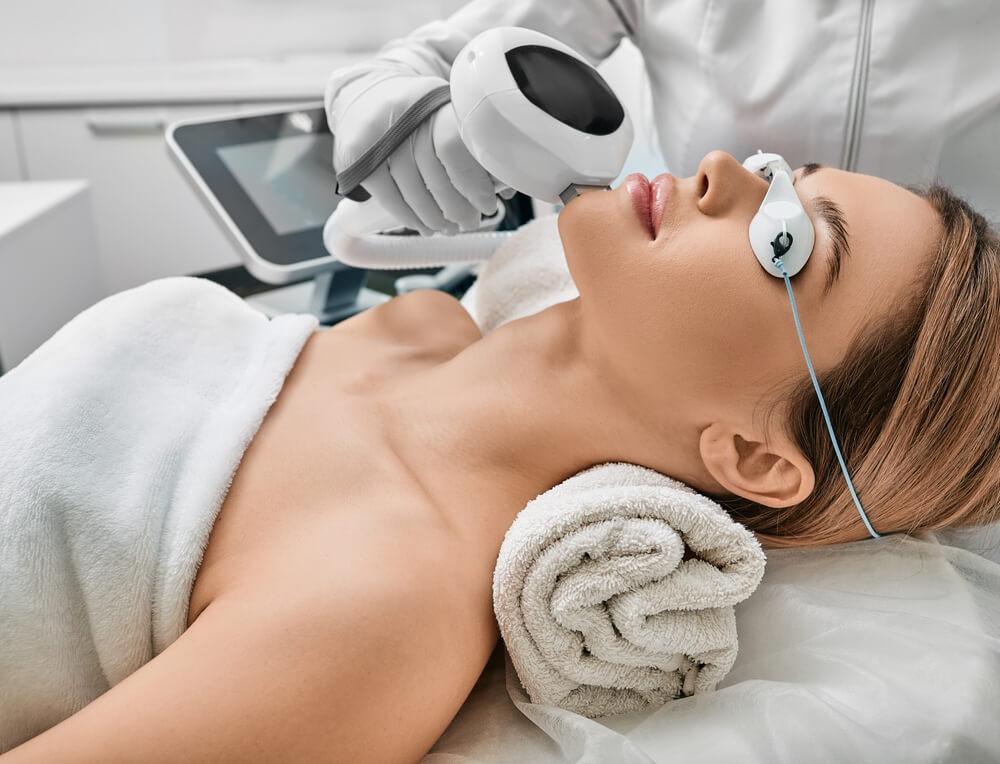
Table of Contents
- Understanding IPL Photofacials
- Benefits of IPL Treatments
- The IPL Treatment Process
- Post-Treatment Care and Recovery
- Potential Risks and Considerations
- Comparing IPL with Other Skin Treatments
- Who Should Consider IPL Photofacials?
- Conclusion
Intense Pulsed Light (IPL) photofacials have become a popular solution for people looking to address a variety of skin concerns with minimal downtime. By harnessing broad-spectrum light, these treatments can improve skin clarity, texture, and tone. For those exploring non-invasive skin enhancements, an IPL photofacial offers a modern approach to skin rejuvenation that targets multiple issues at once, distinguishing it from other conventional treatments.
The growing popularity of IPL is due to its versatility and effectiveness. Whether you are combating sun damage, age spots, redness, or uneven pigmentation, IPL may offer a suitable solution. Understanding how this technology works and the considerations that come with it is vital for anyone contemplating such a procedure.
Understanding IPL Photofacials
IPL photofacial technology uses broad-spectrum light that is absorbed by both pigment and blood vessels in the skin. Unlike laser therapies, which focus a single wavelength on a specific target, IPL emits multiple wavelengths. This characteristic enables IPL devices to address multiple skin conditions simultaneously, such as freckles, fine lines, broken capillaries, and overall redness. These capabilities make IPL a valuable and flexible option in dermatological care, especially for those seeking a comprehensive approach to skin revitalization.
The broad-spectrum light energy penetrates beneath the skin’s surface, targeting melanin in pigmented cells and hemoglobin in blood vessels. As these targets absorb light, they are gently heated and broken down, signaling the body to remove damaged tissue and reveal healthier, clearer skin over time.
Benefits of IPL Treatments
IPL photofacials notably improve skin tone and texture with less associated downtime than more invasive treatments. These sessions not only target surface irregularities, such as sun damage or brown spots, but also stimulate collagen production. Increased collagen leads to firmer, more youthful-looking skin. In addition, IPL’s flexibility supports its use across various body areas, including the face, neck, chest, and the backs of hands, providing comprehensive rejuvenation without the need for multiple separate treatments.
The versatility of IPL allows practitioners to adjust treatment settings to the patient’s unique skin type and conditions, thereby enhancing its effectiveness and safety. As with all cosmetic procedures, it is crucial to seek treatment from credentialed providers to minimize risks and ensure the best possible results. For more information on the safety and efficacy of IPL devices, the American Academy of Dermatology provides detailed insights.
The IPL Treatment Process
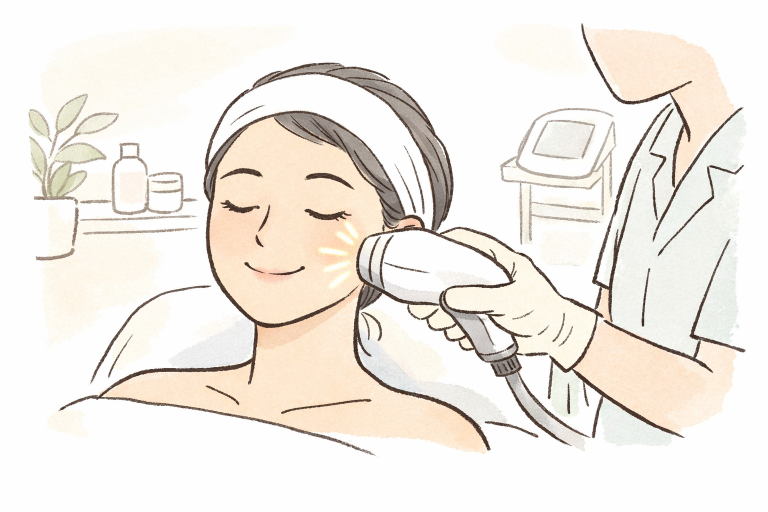
The IPL session typically begins with the application of a cool gel to the treatment area. Patients are given protective eyewear to shield their eyes from the bursts of light. The practitioner uses a handheld IPL device that emits rapid pulses of light, which may feel like a small rubber band snapping against the skin. Each treatment session generally lasts 20 to 30 minutes, depending on the area being treated.
For optimal results, most people require 3 to 6 sessions, spaced 3 to 4 weeks apart. With each session, improvements in skin clarity and evenness become more apparent. Maintenance treatments may be recommended annually or semi-annually, depending on lifestyle factors and skin concerns.
Post-Treatment Care and Recovery
Immediately after a photofacial, mild redness and swelling may occur, resembling a mild sunburn. These effects usually subside within a few hours, though some sensitivity can last a day or two. To protect the treated skin, patients should avoid direct sun exposure and use a broad-spectrum sunscreen consistently. Over several days, pigmented spots can darken and eventually slough away, unveiling fresher, more even-toned skin beneath.
Patients are advised to avoid heat-based activities, such as hot showers or saunas, for a day or two after treatment, and to avoid harsh skincare products that could irritate the newly treated skin. Following a gentle skincare routine and adhering to professional aftercare instructions can enhance and prolong IPL treatment results.
Potential Risks and Considerations
While IPL treatments are regarded as safe when performed by trained professionals, they are not appropriate for everyone. People with darker skin tones may experience pigmentation changes such as darkening or lightening of treated areas. Individuals with recent sun exposure, certain medical conditions, or who are pregnant should postpone IPL treatments. A thorough consultation with a board-certified dermatologist is essential to evaluate candidacy and minimize complications. The Mayo Clinic provides additional context regarding IPL risks and eligibility.
Comparing IPL with Other Skin Treatments
IPL is often compared to laser therapies, chemical peels, and microneedling. The main difference lies in IPL’s ability to address a broader range of skin concerns in each session, thanks to its use of multiple wavelengths of light. Laser treatments, on the other hand, excel at targeting specific problems, such as deep wrinkles or individual blood vessels, with a single wavelength. Chemical peels and microneedling can be more aggressive, often requiring longer recovery periods. Choosing the right treatment depends on individual skin type, concerns, and desired outcomes.
Who Should Consider IPL Photofacials?
IPL photofacials are ideally suited for individuals with fair to medium skin who want to improve skin clarity, reduce sun-induced pigmentation, diminish redness, and minimize fine lines. Those with darker complexions should consult a provider with extensive experience in treating melanin-rich skin, as IPL may not be the safest option for all skin types. A personalized consultation ensures treatment selection supports both safety and effectiveness.
Conclusion
Combining innovation with non-invasiveness, IPL photofacials offer a flexible and effective solution for an array of common skin woes. By gaining a clear understanding of the benefits, process, and potential risks, individuals can make informed decisions about whether to include IPL in their skincare journey. If you are seeking noticeable improvements in skin tone and texture with minimal downtime, IPL treatments may represent an excellent path to rejuvenation and confidence.
