 by
by 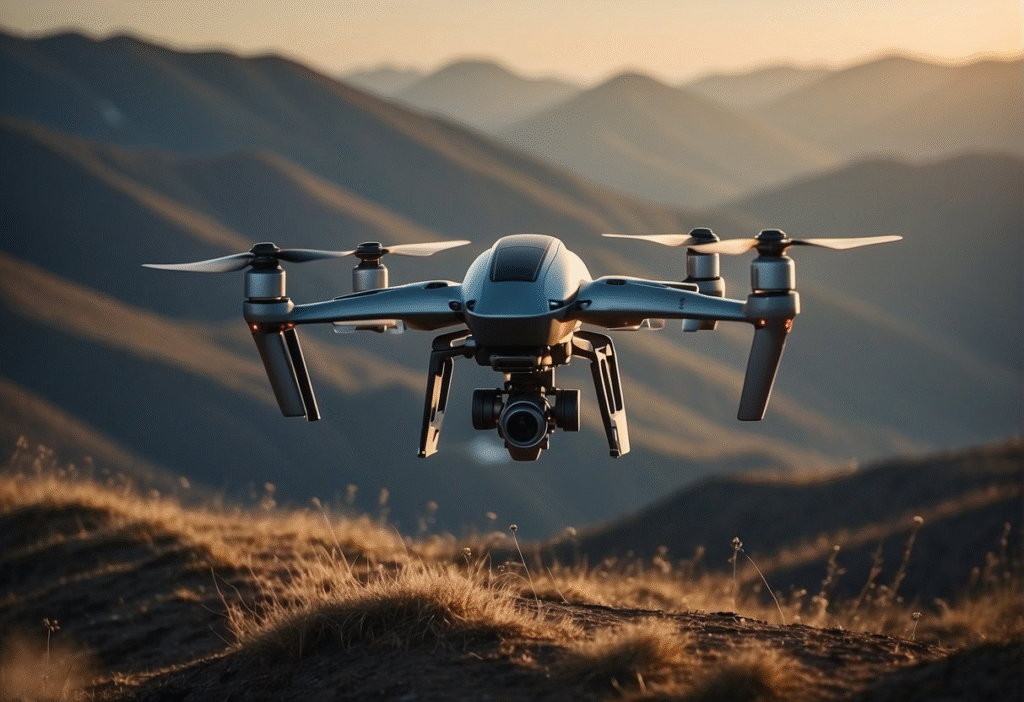
The UAV industry is rapidly evolving from hardware-driven systems to software-powered ecosystems. Today, mission operation software, mission platforms, and autonomous missions are enabling smarter and more scalable UAV operations. Instead of manual control, organizations are shifting toward automated, data-driven workflows. Platforms like SkyTrack illustrate how UAV systems can be unified into intelligent multi-drone ecosystems.
1. Mission operation software is the core of UAV ecosystems
Mission operation software is the central system that manages the full lifecycle of UAV missions. It connects planning, execution, monitoring, and data processing into one unified platform. Instead of manual drone control, operators define objectives and the system executes missions automatically.
This layer plays a critical role in transforming traditional UAV usage into structured and scalable digital workflows. By replacing fragmented tools with a unified environment, mission operation software ensures consistency across all operations and reduces dependency on manual piloting.
Key capabilities include:
- Map-based mission planning
- Route optimization and waypoint generation
- Real-time UAV tracking
- Sensor and payload configuration
- Live mission control and adjustments
- Data collection and reporting
Mission operation software overview for UAV mission lifecycle management system
2. Mission platform acts as the intelligence layer
A mission platform is not just a control tool—it is the intelligence layer of UAV systems. It manages multiple missions and drones in a unified environment. It ensures consistency, scalability, and coordination across operations.
In modern UAV ecosystems, the mission platform acts as the central hub where all operational data, mission logic, and control signals are synchronized. This enables organizations to move from isolated drone usage to fully integrated aerial systems.
Key functions include:
- Centralized mission management
- Standardized workflows
- Multi-UAV coordination
- Real-time operational visibility
- Enterprise system integration
3. Autonomous missions redefine UAV execution
Autonomous missions allow UAVs to operate with minimal human intervention. Instead of constant control, drones follow structured workflows defined by the mission platform. This shifts UAV operations from manual execution to intelligent automation.
The system ensures that each mission is executed consistently while still adapting to environmental conditions in real time. This balance between structure and flexibility is what makes autonomous missions highly effective in real-world applications.
Autonomous mission workflow:
- Mission definition
- Automated route planning
- UAV configuration
- Autonomous execution
- Data processing and analysis
4. Real-world applications of autonomous UAV missions
Autonomous missions are widely used across industries where efficiency and accuracy are critical. These systems help organizations reduce operational cost while increasing data quality and coverage speed.
Industries are increasingly adopting UAV automation to replace manual field operations with scalable, repeatable aerial intelligence workflows.
Applications include:
- Agriculture: crop monitoring and pest detection
- Infrastructure: bridge, pipeline, and power line inspection
- Public safety: surveillance and emergency response
- Environment: ecosystem and wildlife monitoring
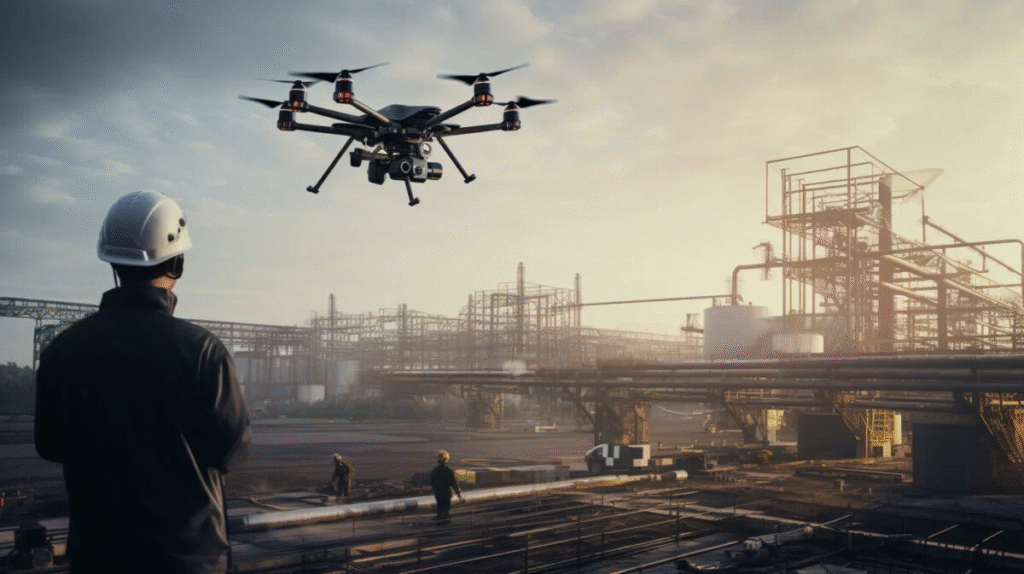
Overview of autonomous UAV applications across key industries
5. Multi-drone operations enable scalable UAV systems
Multi-drone operations allow multiple UAVs to work together under a unified mission platform. Instead of operating individually, drones become part of a coordinated system that executes missions in parallel.
This model significantly improves operational efficiency by distributing workloads across multiple UAVs and synchronizing their activities through a central system.
How it works:
- Centralized mission planning
- Task distribution across UAVs
- Coordinated flight paths
- Collision avoidance
- Unified data collection
6. Benefits of multi-drone UAV systems
Multi-drone systems deliver strong advantages over single-drone operations. They are designed for scalability, making them ideal for large-scale industrial and commercial UAV deployments.
By leveraging multiple UAVs simultaneously, organizations can significantly reduce mission time while increasing data richness and operational resilience.
Key benefits include:
- Faster coverage of large areas
- Higher productivity through parallel execution
- Better data accuracy from multiple viewpoints
- Improved operational resilience
- Reduced mission completion time
7. Mission operation software enables real-time control
Modern UAV systems require real-time adaptability, which is made possible by mission operation software. It connects live telemetry with mission logic, enabling instant adjustments during flight.
This real-time control capability ensures that UAVs can respond immediately to dynamic environmental conditions, operational risks, or mission changes without human delay.
Capabilities include:
- Live UAV monitoring
- Dynamic route updates
- Environmental adaptation
- Sensor control in real time
- Multi-mission coordination
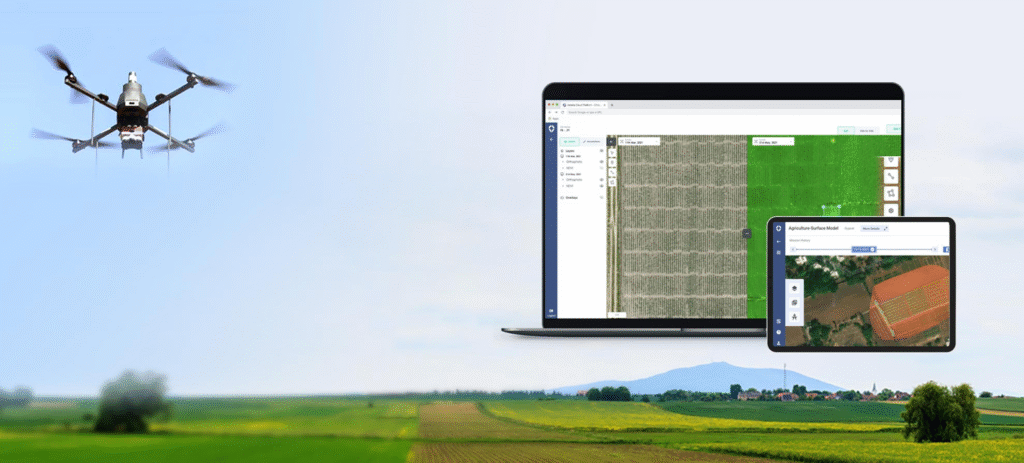
Mission operation software enabling real-time UAV mission control capabilities
8. The future of UAV ecosystems is fully autonomous
The UAV industry is moving toward fully autonomous ecosystems powered by mission platforms. These systems will reduce human intervention while increasing operational intelligence and scalability.
Future UAV ecosystems will not only execute missions but also optimize themselves through continuous data feedback and AI-driven decision-making.
Future trends include:
- UAVs operate with minimal human input
- Autonomous missions become standard
- Multi-drone collaboration becomes default
- Continuous data flow into enterprise systems
- AI-driven mission optimization
In conclusion, the evolution of UAV technology is increasingly centered around intelligent software systems that enable scalable and efficient workflows. Among these advancements, multi-drone operations stand out as a key driver of transformation, allowing multiple UAVs to work together seamlessly within a unified mission platform. This shift not only improves operational speed and data accuracy but also reduces dependency on manual control.
