 by
by 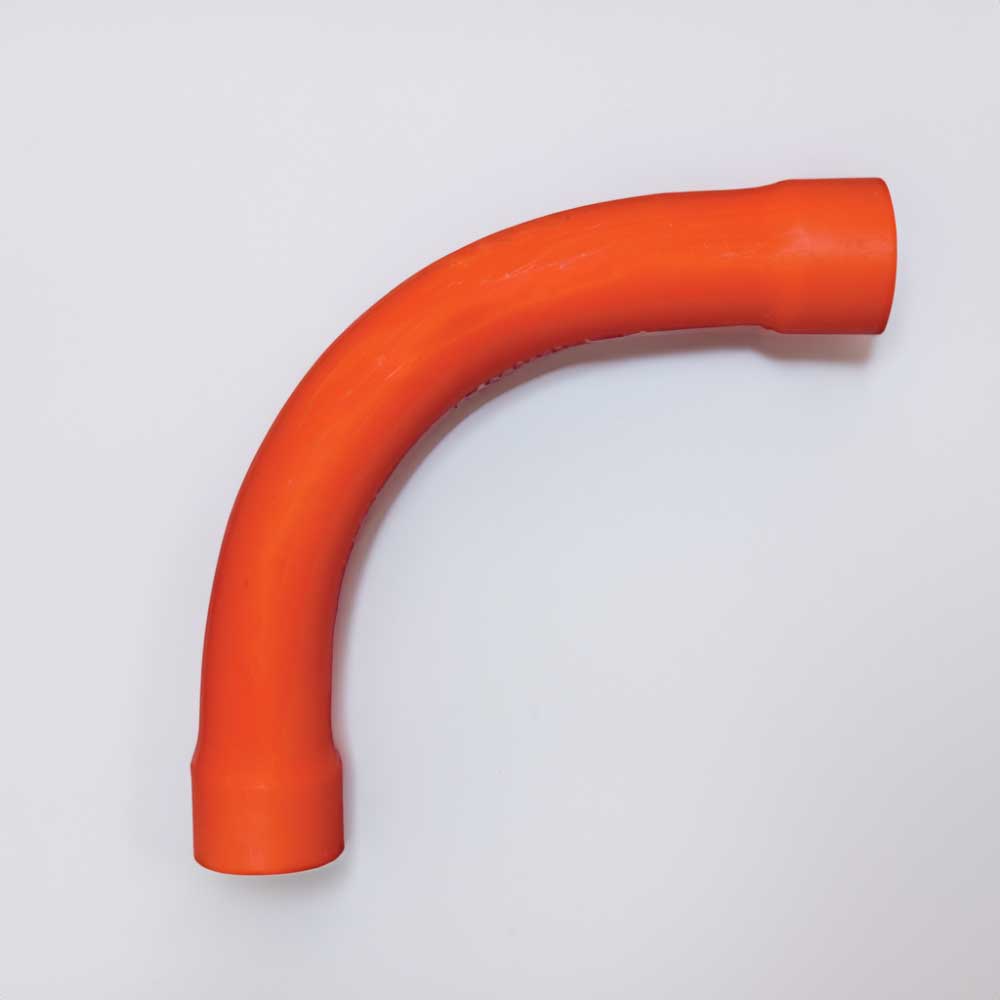
If you’ve ever watched someone install stormwater or drainage pipes and thought, “That looks pretty simple,” you’re definitely not alone. But the truth is, even small mistakes can turn into major issues later on, such as floods, erosion, cracked pipes, or pipes that keep getting blocked. Nobody wants that. There are many individuals who confuse drainage pipes with completely different products (like PVC conduit) and wonder why everything goes wrong later.
Whether you’re helping out on a home project or coordinating something much bigger, understanding what not to do can help you avoid stress, extra costs, and future problems. Below are some of the most common pitfalls and how to avoid them.
1. Failing to Assess the Site Properly
Before you even think about touching a pipe, you need to be familiar with the land itself first. A proper site assessment makes all the difference.
Soils behave differently:
- Clay holds water like a sponge
- Sandy soil shifts easily
- Rocky soil may require extra clearing
Your pipes may eventually collapse, break, or slide out of alignment if you don’t take these into consideration.
Remember to check the area’s natural slope as well. Water rushes through if it’s too steep, which could lead to erosion. The water simply won’t move because it’s too flat. Think of it like setting up a slip-and-slide; you need just the right angle, or it simply doesn’t work.
2. Incorrect Pipe Selection
Although selecting the proper pipe may seem simple at first, it’s also quite easy to make a mistake. Stormwater pipelines must manage the pressure of soil and vehicles above them, as well as fast-flowing water.
Using stormwater drainage pipes intended for wastewater, such as a DWV pipe, is a common error. Although DWV is excellent for its intended use, it is not made to withstand the same amount of external pressure. It can fail sooner than you might think if it’s buried beneath a structure or road.
Before buying anything, double-check the pipe ratings, local standards, and what the job actually requires. You’ll be glad you did later on.
3. Poor Trench Preparation
A lot of people rush this step because they’re eager to start laying the pipe. But a poorly prepared trench can ruin the whole installation.
Typical trench mistakes include:
- Leaving sharp rocks or debris at the base
- Forgetting to compact the bedding
- Digging too deep or not deep enough
- Ignoring the stability of the sidewalls
A stable bedding layer, usually sand, crushed rock, or gravel, helps distribute weight evenly and protects the pipe from deforming. Think of it like laying down good carpet padding before installing the actual carpet. Skipping that step just leads to problems down the line.
4. Insufficient Slope or Incorrect Grade
Stormwater systems rely on gravity. If the slope is wrong, the water won’t behave the way you want it to.
Too little slope leads to slow flow and sediment buildup; too much slope leads to fast flow and erosion. A slight difference in angle may not look like a big deal at first to the eye, but it can completely change how the system performs. Tools like laser levels make this step really easy, so they’re worth using.
5. Poor Pipe Connections and Jointing
Most leaks in stormwater systems tend to start at the joints, and once they begin, they only get worse from there. Water escaping through a small gap can gradually wash away the bedding until the pipe sags or collapses. Soil sneaking into the pipe creates blockages.
Common jointing slip-ups:
- Not cleaning the pipe ends
- Using the wrong fittings
- Messing up the adhesive
- Forgetting to check alignment first
Take your time with joints; precision here saves a lot of headaches down the line.
6. Neglecting Proper Backfilling
Backfilling isn’t just about refilling the trench. It’s a structured process that keeps the pipe supported and locked in place.
The pipe may easily break or shift if soil is added back in all at once or if heavy items, like huge stones, are used. Instead, use material that cushions the pipe rather than damages it, compact slowly, and backfill in layers.
Think of it like shipping a delicate item; you wouldn’t just drop it in a box with heavy stuff. You’d cushion it and handle it gently.
7. Poor Planning for Access and Maintenance
Even the best drainage system needs occasional checkups or clearing. Without suitable access points, those jobs become frustrating or impossible.
Things like inspection openings, junction boxes, and sturdy structures such as concrete pits make maintenance so much easier. They also help protect weak parts of the system from tree roots and soil movement.
Skipping these features can help save cash upfront, but you’ll pay for it later when something goes terribly wrong and you can’t reach the affected section.
Conclusion
Stormwater and drainage pipe installation may seem simple, but even minor errors can result in major, pricey problems down the road. Every step counts, from thoroughly inspecting the site to selecting the appropriate pipe, digging trenches, deciding the necessary slope, carefully attaching joints, backfilling, and making plans for future access.
