 by
by 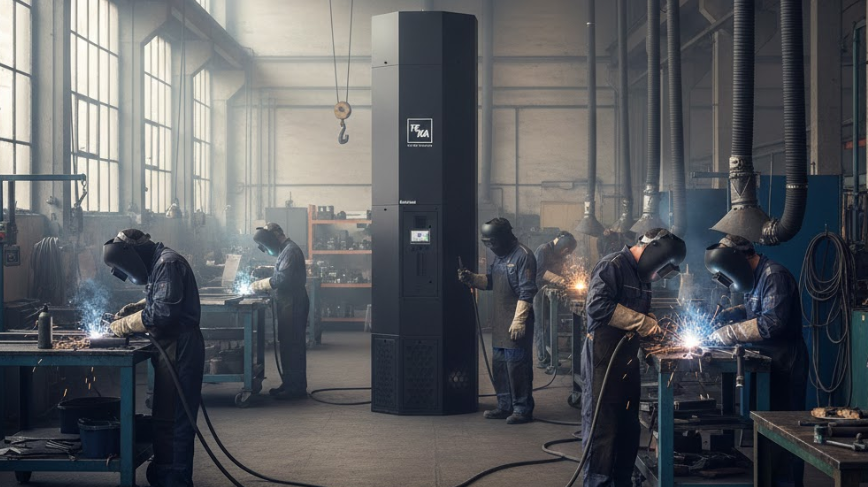
Welding environments are essential in many industries, but they also produce fumes, gases, and airborne particles that can negatively affect indoor air quality. Over time, repeated exposure to these contaminants may impact worker comfort and long-term respiratory health. This is why professional air management solutions have become a key part of modern fabrication and industrial facilities. A well-designed welding air purification system supports cleaner air circulation by filtering hazardous particles and improving overall workspace safety from the start of daily operations.
Why Welding Air Purification Matters in Industrial Settings
Welding produces fine particulate matter that can remain suspended in the air long after the work is complete. These fumes often contain metal oxides and other compounds that may cause irritation or more serious health concerns when inhaled regularly. In enclosed facilities, the buildup of airborne contaminants can affect not only welders but also nearby staff working in the same environment.
Air purification systems are designed to remove these pollutants efficiently. Instead of relying solely on general airflow, purification units actively capture and filter harmful particles before they spread. This creates a healthier workspace while supporting compliance with workplace safety expectations. Cleaner air also contributes to better focus, reduced fatigue, and improved productivity across the shop floor.
How Welding Air Purification Systems Work
A welding air purification system typically combines powerful extraction, filtration, and recirculation technology. These systems pull contaminated air through specialized filters that trap fine particles and fumes. The cleaned air is then either returned to the workspace or safely exhausted outside, depending on the facility setup. Industrial purification systems are especially valuable in larger welding areas where multiple stations operate at once. They provide consistent air control throughout the space rather than addressing only one workstation. Many systems also include advanced filtration stages that capture even microscopic particles, ensuring stronger protection for workers over time.
Proper placement and system sizing are important, as different workspaces require different airflow capacities. Professional assessment helps ensure the system is matched to the scale and intensity of welding activities in the facility.
Air Filtration and Worker Safety
Air filtration plays a direct role in maintaining safer welding environments. Without filtration, fumes can circulate repeatedly, increasing exposure levels throughout the day. With an effective purification system in place, facilities can significantly reduce airborne hazards and support long-term wellness for employees.
The importance of a welding air filtration system for worker safety reflects how proper filtration improves occupational conditions by controlling contaminants before they impact breathing zones. This connection between filtration and safety highlights why purification is not simply an upgrade but a necessary part of responsible industrial planning. In addition to health benefits, clean air systems can also reduce residue buildup on equipment, improve visibility in welding zones, and support better working comfort across the shop.
Long-Term Benefits for Facilities and Operations
Beyond immediate air quality improvements, welding air purification systems provide lasting advantages for industrial operations. Cleaner workspaces reduce downtime caused by poor ventilation conditions, improve employee satisfaction, and demonstrate a commitment to safety standards.
Facilities that invest in purification systems also benefit from better environmental control, especially in colder climates where exhausting large volumes of air may not be practical. Recirculating purification systems help maintain indoor temperature balance while still removing hazardous fumes effectively. Over time, these systems support sustainable workplace practices by reducing exposure risks and enhancing the overall functionality of welding operations.
Conclusion
Welding air purification systems are essential for maintaining clean, controlled, and safer industrial environments. By capturing harmful fumes and filtering airborne particles, they support worker wellness, improve operational efficiency, and contribute to healthier long term workplace conditions. In welding facilities where daily exposure is constant, professional purification solutions play a critical role in protecting both people and performance.
