 by
by 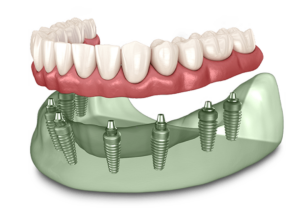
Key Takeaways
- Biological & Mechanical Risks: Proper hygiene, patient education, and high-quality materials reduce complications.
- Occlusal & Maintenance Care: Balanced chewing forces and regular cleanings support long-term success.
- Technology & Planning: Digital tools and patient-specific strategies improve precision, comfort, and outcomes.
Introduction
Full arch implant therapy has transformed the approach to dental restoration for patients who have lost all their teeth in one or both arches. This method offers a combination of enhanced function, improved appearance, and stability over traditional dentures. However, alongside its benefits, full-arch implant therapy can pose a range of challenges that dental professionals must overcome to ensure predictable, long-lasting results. By understanding common complications and utilizing evidence-based strategies, clinicians can improve outcomes and patient satisfaction. The Pikos Institute offers advanced training and resources to navigate the complexities of full-arch implant therapy, helping clinicians stay at the forefront of evolving dental practices.
While the procedure is highly effective, success depends on careful case planning, maintenance protocols, and continuous patient education. Complications can arise at any stage, from biological factors such as tissue inflammation to mechanical failures, such as prosthetic fractures. Addressing these issues promptly is vital to maintaining the function and health of full-arch implants over time.
Biological Complications
Biological complications are among the most significant concerns in full arch implant cases. Peri-implant mucositis and peri-implantitis are particularly prevalent, both marked by inflammation but differing in severity and impact. Research suggests that peri-implant mucositis affects 30 percent to 50 percent of patients, while peri-implantitis is seen in 10 percent to 20 percent of cases over a decade. The primary risk factors include poor oral hygiene, tobacco use, and systemic health issues such as diabetes. Timely intervention and regular maintenance visits can help prevent the progression from early inflammation to severe tissue and bone loss around the implant.
Patient education is critical in mitigating these risks. Ensuring that patients understand the importance of daily oral care and consistent follow-up visits significantly reduces the likelihood of biological complications. In complex cases, collaboration with medical professionals may be necessary to manage underlying systemic conditions.
Mechanical Complications
Mechanical failures, particularly those affecting the prosthetic components of full arch restorations, are also a leading cause of concern. Studies show that up to 41.4 percent of patients experience mechanical complications, with framework fractures, screw loosening, and chipping of prosthetic teeth among the most common problems. Utilizing high-quality materials and precision-driven design and fabrication methods is essential to minimize these occurrences.
When mechanical complications arise, they require prompt management to avoid further damage or discomfort. Regular maintenance checks are vital for early detection and timely intervention, significantly improving the lifespan and reliability of the arch restoration.
Occlusal Overload
Occlusal overload is a frequent cause of late implant failure, especially in full-arch prostheses, where chewing forces are distributed differently from those in natural dentition. Inadequate or imbalanced occlusal forces can place undue stress on implants or the surrounding bone, increasing the risk of bone loss and implant failure. Careful attention to occlusal analysis during treatment planning, precise adjustments during the fitting phase, and periodic reassessment are all necessary to ensure the longevity of the implant-supported restoration.
Maintenance Challenges
Effective maintenance is a cornerstone of long-term implant success. Full arch implant patients must be diligent about oral hygiene practices and adhere to recommended recall schedules for professional cleaning and evaluation. The complexity of cleaning around implant-supported prostheses can pose unique challenges, underscoring the importance of thorough patient instruction and routine professional care.
Dental teams should prioritize patient education and provide customized strategies for at-home care, including the use of special cleaning aids, to maximize plaque control and minimize complications. Ongoing professional maintenance greatly enhances the success rate and durability of dental implants.
Technological Advances
Recent advancements in digital dentistry have revolutionized full-arch implant workflows. Intraoral scanning, photogrammetry, and computer-aided design/manufacturing have improved diagnostic quality and the precision of implant placement. For instance, digital impressions using intraoral scanning technology eliminate the discomfort of traditional materials and yield highly accurate digital models for prosthesis fabrication.
These innovations not only enhance patient comfort but also improve treatment predictability and reduce complication rates by ensuring superior prosthetic fit and reducing human error during the restorative process.
Patient-Specific Considerations
Treatment planning for full-arch implant therapy should always be tailored to each patient’s unique needs and health conditions. Factors such as bone density, anatomical variations, and underlying health conditions play a critical role in determining the optimal approach. For example, patients with inadequate bone volume may require grafting procedures to provide a stable foundation for implants. In medically compromised patients, multidisciplinary management and close monitoring are recommended throughout the treatment process.
The success of full arch restoration depends on collaboration and open communication between the dental team and the patient, fostering realistic expectations and adherence to care protocols.
Final Thoughts
Full-arch implant therapy delivers transformative benefits for patients with complete tooth loss. However, ensuring consistently successful outcomes demands a thorough understanding of biological and mechanical complications, tailored patient care plans, and the adoption of the latest technological advancements. Through ongoing education, vigilant maintenance, and a patient-centered approach, dental professionals can significantly reduce complications and improve both function and patient satisfaction.
