 by
by 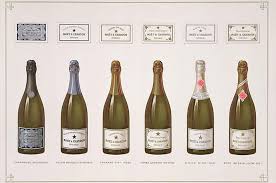
Champagne is often linked to parties, high society, and important events. This champagne has become a sign of happiness and celebration for many events, from weddings and birthdays to holidays and personal triumphs. It stands out from other types of wine because of its unique bubbles, crisp taste, and classy presentation.
Champagne is a drink for celebrations, but it’s more than that. Behind every bottle is an intriguing mix of different types of grapes, different ways of making wine, and carefully controlled alcohol levels. All of these things work together to give champagne its own special flavor that people all over the world love.
If you want to learn more about champagne, it can be very fun to know how champagne is made and put into different categories. Exploring the different kinds and learning about the grapes that give champagne its flavor are some of the things that help show what makes champagne so special.
The Unique Style of Champagne
“Champagne” is the name of a sparkling wine made under strict rules in the Champagne area of France. In order to keep the wine’s authenticity and quality, this local identity is very important. Each bottle has its own unique qualities thanks to the cool temperature, chalky soil, and traditional ways of making wine in the area.
The way the bubbles are made is one of the things that makes champagne unique. Inside the bottle, the wine goes through a second fermentation process, which naturally adds fizz. The fine bubbles that champagne is famous for are made this way, which is also sometimes called the “traditional method.”
As people learn more about champagne, they are often interested in the different types, how much alcohol they contain, and the types of grapes used to make it. These things help determine the style and taste of the wine in the end.
Exploring Different Types of Champagne
When learning about champagne, one of the first things you should know is that there are different kinds of champagne. Usually, these types are put into groups based on how sweet they are, how they were made, and what kinds of grapes were used.
As an example, some champagne types are very dry, while others have a little sugar left over that makes them slightly sweet. Brut, Extra Brut, and Demi-Sec are some of the terms that are often used on labels to describe these changes.
The mix of grapes used to make each type of champagne is another difference. There are bottles that use a mix of different types of grapes and there are bottles that focus on just one type of grape. Because of this, champagne has a lot of different tastes, from crisp and citrusy to rich and smooth.
People who like wine can choose a style that suits their tastes or goes well with certain foods if they know about these differences.
Understanding Champagne ABV
Another important thing about champagne is how much alcohol it has. This is usually written as champagne abv, which stands for “alcohol by volume.” The amount of alcohol in a drink is shown by this number, which helps people understand how strong the wine is.
The alcohol by volume (ABV) of most champagne is between 11% and 13%. The modest amount of alcohol in the wine keeps its balanced and refreshing taste without making it feel too heavy. Along with the crisp acidity and carbonation, the drink feels light and lively.
Several things affect the amount of alcohol in champagne, such as how ripe the grapes are, how the wine ferments, and how it is mixed. Winemakers carefully manage these factors so that the end product is consistent and well-balanced.
Because champagne is often served at parties and other social events, its low alcohol level makes it a good choice for drinking for a long time during meals or celebrations.
The Importance of Types of Grapes in Champagne
The production methods are very important, but the types of grapes in champagne have a much bigger impact on its taste and structural quality. Traditionally, champagne is made from three main types of grapes.
Chardonnay is the first. It is a white grape that is known for adding elegance, acidity, and fresh citrus tastes. Chardonnay is often used to make wines that feel crisp and polished.
Pinot Noir is the second type of wine. Even though it has dark skin, this grape can be used to make clear sparkling wine. Pinot Noir gives champagne mixed body, structure, and rich fruit notes.
The third grape is Pinot Meunier, which gives the wine sweetness and fruit flavors that are easy to enjoy. It also helps champagne age faster, which makes it an important part of many mixes.
These different kinds of grapes work well together because they have the right amount of acidity, taste, and texture. They are mixed in different amounts by winemakers to make unique styles that show off their house traditions and the traits of the area.
How Champagne Types Influence the Taste
The flavors of champagne can be greatly changed by the mix of grape types, levels of sweetness, and aging ways. Some bottles focus on bright orange and green apple notes, while others focus on toasted bread, almond, or honey-like notes.
Champagne that is aged on yeast for a longer time often develops rich flavors and a smooth texture. This method of aging can make the wine deeper while keeping its fizzy taste.
The differences between these examples show how small changes in production can make tastes very different. For wine lovers, looking into these differences can be a fun way to find new tastes they like.
Champagne and Food Pairings
Champagne goes well with a lot of different things because it is acidic and fizzy. Because it is so versatile, it can go with both easy and complex meals.
As an example, lighter styles go well with fish, salads, and fresh starters. The fizzy bubbles can clean your palate and bring out the best in delicate tastes.
Richer types of champagne go well with roasted foods, creamy sauces, and aged cheeses. The acidity in the wine rounds out the heavier textures and makes the whole dining experience better.
Champagne is a popular choice not only for parties but also for enjoying food because it can be used in many situations.
The Cultural Significance of Champagne
Throughout history, champagne has been linked to celebrations and high status. It has been used to mark important events and milestones since the time of the Roman courts and up to the present day.
When you pop the cork on a champagne bottle and watch the bubbles rise, that sound has become a sign of happiness and success. Because of this tradition, champagne has become a drink that is only drunk on important events.
Besides being a party drink, champagne also shows off hundreds of years of winemaking skill. Champagne makers have been improving their methods for generations, keeping traditions alive while also coming up with new ideas.
Last Thoughts
Champagne has a long past, is made in very specific ways, and has a clear sparkling quality that makes it stand out in the world of wine. The taste of each bottle is shaped by the careful mix of grapes, fermentation methods, and aging processes that go into making it.
Wine lovers can enjoy this famous sparkling wine more if they know about things like champagne types, champagne abv, and the types of grapes used in champagne. The information given here shows how each part adds to the depth and elegance of champagne.
Champagne is an experience that blends tradition, craftsmanship, and timeless appeal. It can be enjoyed at a party or as part of a larger interest in wine.
