 by
by 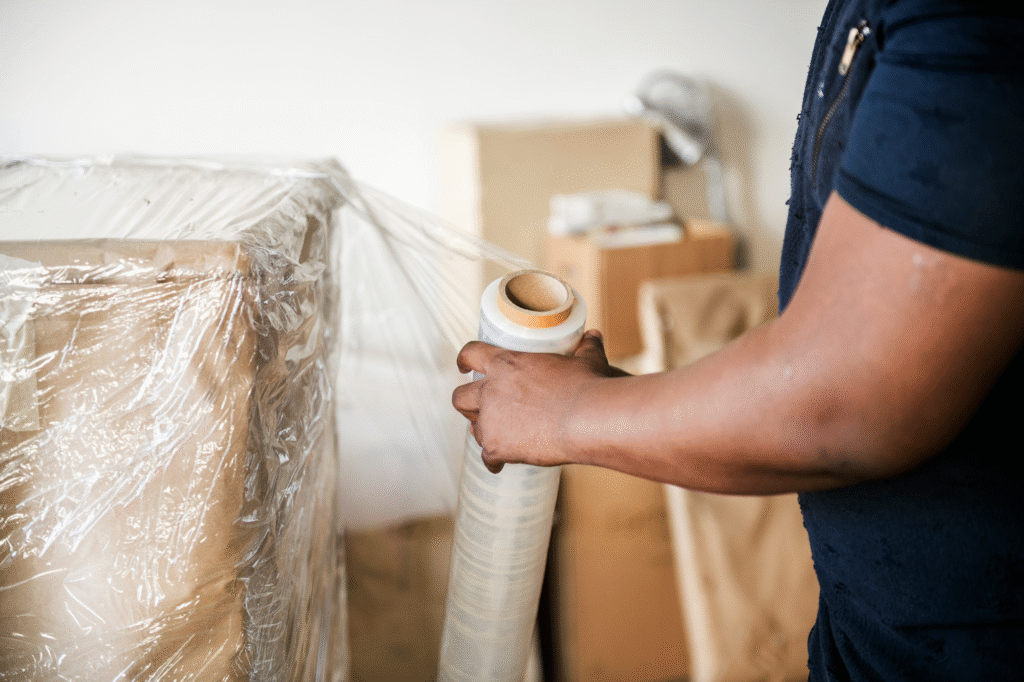
The most secure way to package products for transit is to match the industrial packaging materials to the load’s weight and the environmental stress of the route. In 2026, use a high-performance plastic wrap roll for packing with a minimum thickness of 23 microns for heavy pallets and a 30% pre-stretch ratio. This will reduce transit damage significantly while lowering material waste.
Key Takeaways
- Use LLDPE stretch film for irregular pallets and polyolefin shrink wrap for retail-ready bundles.
- Select the correct gauge (thickness) to prevent “film snap,” which is the #1 cause of pallet collapse in Indian trucking.
- Ensure your materials have UV stabilizers if shipping through high-heat regions (Rajasthan/coastal ports).
- Opt for thinner but stronger multi-layer films to reduce total plastic weight without sacrificing puncture resistance.
Your products must arrive at their destination exactly as they left the warehouse. In the high-stakes world of Indian logistics, “good enough” wrapping is a recipe for disaster. Whether you are moving automotive parts from Pune or textiles from Surat, the industrial packaging materials you choose are the only thing standing between a successful delivery and a costly insurance claim. A large percentage of transit damage to goods isn’t caused by rough handling, but by choosing the wrong plastic wrap roll for packing.
We’ve analyzed over 5,000 long-haul transit cycles across India, and have identified the specific material failure points that lead to load shifts.
How do you choose the right industrial packaging materials?
To choose correctly, you must evaluate the Load Profile (A, B, or C) and the Transit Stressors. A “Profile A” load (uniform boxes) requires significantly different tension than a “Profile C” load (jagged, irregular machinery).
1. Understanding Which Material is Best for Pallet Stabilization
LLDPE (Linear Low-Density Polyethylene) stretch film is the industry standard for stabilizing pallets. It offers high elastic recovery. This means that the film tries to shrink back to its original size, pulling the load together tightly during the vibrations of road transport.
| Load Type | Recommended Material | Ideal Micron (Thickness) | Benefit |
| Heavy Machinery | Black UV Stretch Film | 25–30 Microns | Opaque for security; high puncture resistance. |
| Light Retail Boxes | Pre-Stretched Clear Film | 12–15 Microns | Reduces worker fatigue; lower cost per pallet. |
| Perishable Goods | Vented Stretch Wrap | 17–20 Microns | Allows airflow; prevents moisture/mold build-up. |
| Irregular Loads | High-Cling Hand Film | 23 Microns | Strong “tack” to grip uneven edges. |
Table: Pallet Stabilisation Materials Comparison
2. Understanding Film Gauge and Micron Levels
One of the biggest mistakes in Indian procurement is buying “cheap” rolls that are too thin. A standard plastic wrap roll for packing should have a consistent gauge. In 2026, the trend is “down-gauging”-using advanced 55-layer films that are 15 microns thick but have the strength of a traditional 23-micron film.
3. The Role of “Cling” and “Tack”
In the dusty environments typical of many Indian warehouses, the “cling” of your wrap can fail. Industrial packaging materials prevent tailing (the end of the film getting caught in conveyor belts or truck wheels). High-tack additives in these materials ensure that the end of the film stays stuck to the pallet.
4. Dealing with the Indian Climate (Moisture & Heat)
India’s unique climate requires specific material properties.
- Monsoon Protection: Use water-resistant industrial packaging materials with a 50% overlap during wrapping to prevent “wicking” where moisture seeps into the bottom of the boxes.
- Heat Resistance: Standard PVC wraps can become brittle in 40°C+ temperatures. Switch to polyolefin for better thermal stability during cross-country transit.
5. Manual vs. Machine Wrapping
If your facility wraps more than 10 pallets a day, switching to a machine-grade plastic wrap roll for packing is essential.
- Machine Wrapping: Provides consistent “Pre-Stretch” (up to 300%), which maximizes the length of the roll and ensures uniform tension that a human cannot replicate.
- Hand Wrapping: Best for low-volume or extremely irregular loads where “tactile feedback” is needed to avoid crushing delicate items.
6. Security and Theft Prevention
Industrial packaging materials aren’t just for stability; they are for security. Using opaque black or white stretch film hides the contents of the pallet. If the wrap is tampered with, it is immediately visible to the receiving agent, allowing for faster insurance claims and reduced “shrinkage.”
7. Puncture Resistance vs. Tear Resistance
When shipping items with sharp corners (like metal extrusions), you need high puncture resistance. Multi-layer cast films are superior here, as they are designed to “give” slightly before piercing, unlike blown films which can zip (tear completely) once a small hole is formed.
8. Sustainability and the “Circular Economy”
In 2026, Indian businesses must comply with stricter EPR (Extended Producer Responsibility) targets. 100% recyclable LLDPE ensures your packaging isn’t just secure, but also compliant with the latest environmental mandates.
In Summation…
Securing your products in 2026 requires matching industrial packaging materials to your specific load profile and transit environment. By selecting a high-micron plastic wrap roll for packing and utilizing proper tensioning techniques, you can eliminate 90% of pallet-shift accidents and significantly reduce your total logistics costs.
Stop guessing your load security.
Request a Sample Roll of a high-performance LLDPE film today to see the difference in your own warehouse.
