 by
by 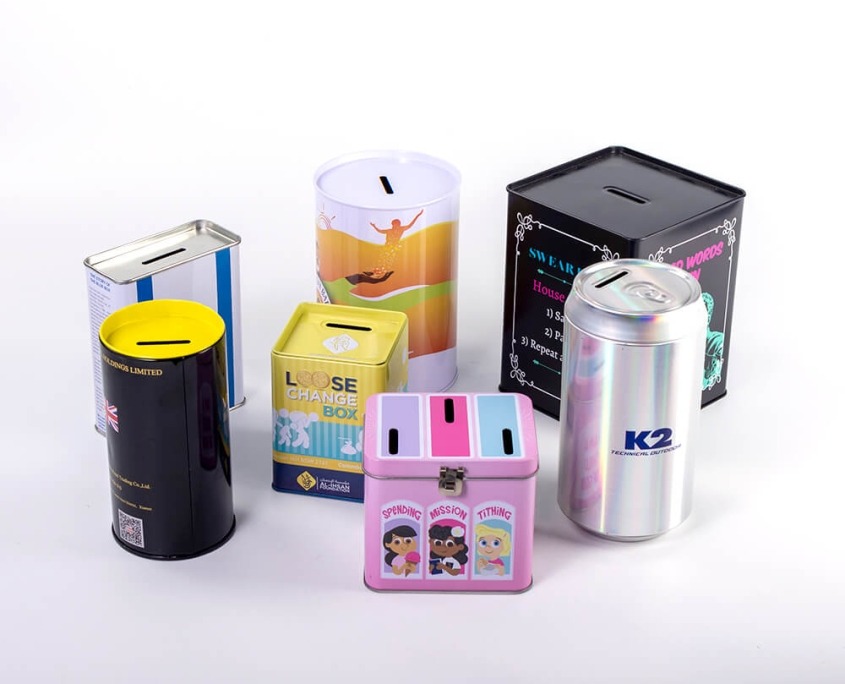
Consumer awareness has changed how brands choose packaging. Consumers are no longer satisfied with merely aesthetically pleasing packaging. They demand custom tins that meet stringent safety guidelines, maintain product freshness, and eliminate any risk of contamination. This is especially true for food products such as coffee, tea, spices, candy, herbs, health supplements, and powdered foods; the packaging must not chemically react with the contents or allow harmful substances to leach in. Therefore, FDA compliance is crucial.
From an engineering perspective, food-safe custom tin cans require careful coordination between materials science, surface treatment, manufacturing technology, and quality assurance. The composition of the tin can, the integrity of the coating, the welding method, the curing temperature, and the chemical composition of the lining all affect the final safety. Neglecting any of these aspects can compromise food quality and create serious compliance issues for the brand.
Custom Tins and FDA Compliance: The True Meaning of Regulations
Clients often ask: What exactly makes custom cans FDA-compliant? The answer is far more complex than simply putting a “food safety” label on the container. FDA compliance results from multiple interconnected standards designed to control material composition, manufacturing conditions, and end-use risks.
First, the tinplate used in custom tins must meet specific purity standards. During the production of food-grade tinplate, the content of heavy metals such as lead, cadmium, and mercury is strictly controlled. The levels of these substances must be well below permissible limits to prevent any potential migration into food. At Tsing, we source tinplate only from certified plants that provide complete traceability and documentation of chemical composition.
Second, the inner coating is crucial for food safety. Most custom tins used for food containment have a protective varnish or lining on the inner walls and lid. This coating prevents direct contact between food and metal, reducing the risk of oxidation, corrosion, or metallic taste transfer. Only FDA-approved coatings are used for food-contact surfaces, such as epoxy-phenolic, polyester, or BPA-free (BPA-NI) alternatives, depending on customer requirements and market location.
Custom Tins Material Selection: Building Safety from the Inside Out
For food-grade custom tins, material selection is a critical technical decision. The substrate, coating type, and even the lid sealing design all affect the product’s shelf life and safety. Understanding these options helps clients choose packaging that truly protects product integrity.
Tsing uses high-quality tin-plated steel sheets with a thin tin coating. Tin is naturally corrosion-resistant, non-toxic, and widely accepted for food packaging. The tin layer thickness can be customized based on the food’s acidity, moisture content, and storage environment. For example, acidic products such as citrus powder or flavored tea often require a slightly thicker coating for enhanced protection.
The inside of the can is coated with a food-grade varnish, forming a protective barrier. This liner prevents any chemical reaction between the metal surface and the food. Depending on the client’s brand value and target regulatory market, we may recommend BPA-free coatings, water-based varnishes, or custom organic liners. These options not only meet FDA standards but also address the growing consumer demand for clean labeling and environmentally friendly packaging.
Practical Applications in the Food Industry
In the real market, customized tin cans are widely used for a variety of food products. Each product faces unique storage challenges, requiring carefully designed packaging solutions. Understanding how these tin cans perform in real-world applications helps buyers choose the most effective packaging design. For tea and coffee, moisture and light protection are crucial. Moisture can cause flavor degradation and clumping. Custom tin cans with airtight lids and inner coatings help keep tea and coffee dry and retain their aroma for longer. Dark outer or light-blocking interiors reduce light exposure, further improving shelf stability.
Advantages of a Safe Brand Image
Food safety is a functional requirement, but it also plays a significant role in brand perception. Modern consumers associate metal packaging—especially custom tins—with quality, purity, and sustainability. When these tin cans meet FDA standards, they become a silent yet powerful voice for your brand.
Food-grade custom tin cans convey your brand’s commitment to health and transparency to consumers. It reinforces a premium image and builds trust, especially in industries like organic foods, functional health products, and handcrafted goods. In many cases, consumers reuse tin cans for home storage, ensuring the brand image remains visible even after the product has been consumed.
How do we ensure food-grade reliability?
Our FDA-compliant custom canned goods are produced through a precise, rigorously controlled process. Safety is ensured from the moment the can enters production and continues throughout its entire lifecycle.
Each project begins with material certification. Only food-grade tinplate and certified coatings are allowed into our factory. All incoming batches are inspected and tested before entering production equipment to ensure compliance with standards. During production, advanced forming, stamping, and sealing equipment ensure that each can is formed consistently and free of structural defects.
After forming, the liner is coated in a controlled environment and cured at specific temperatures to ensure safety and durability. We conduct random batch testing to examine the coating’s adhesion strength, chemical resistance, and migration risk. This ensures that each custom can performs as intended when containing food. Final inspection includes dimensional checks, appearance evaluation, and random sampling checks of coating integrity. Only cans that meet both our internal standards and FDA standards are shipped.
Making Safe, Smart, and Strategic Packaging Decisions
Choosing FDA-compliant custom tins for food is more than just a technical requirement; it’s a strategic investment in quality, reputation, and long-term success. Safe packaging protects consumers, maintains product integrity, and strengthens trust between the brand and its customers. At Tsing, we combine materials science, regulatory knowledge, and extensive practical experience to create custom tins that are not only aesthetically pleasing but also safe and reliable for food. From initial design to final delivery, our process is guided by one core principle: packaging should protect what matters most.
