 by
by 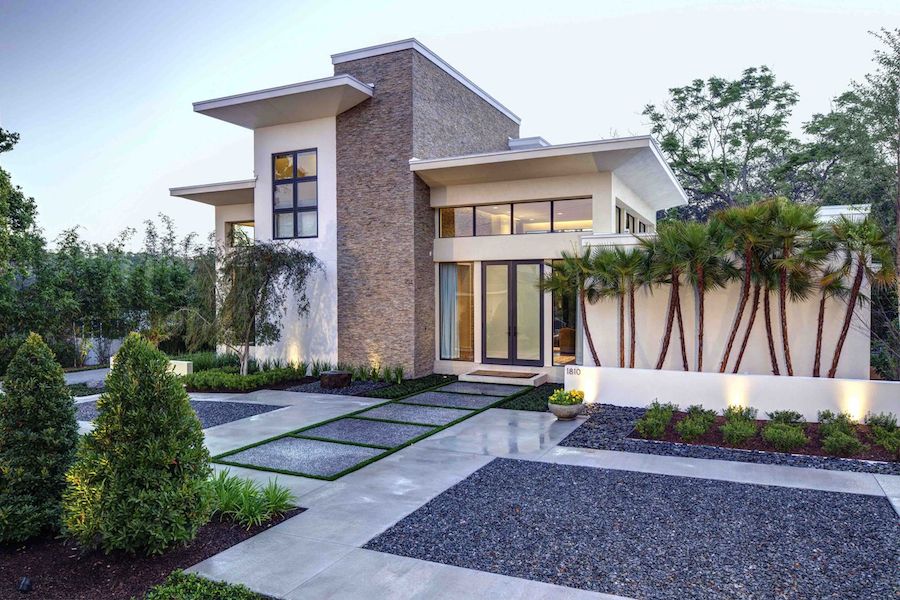
Transforming a backyard into an inviting and versatile outdoor haven has never been more accessible thanks to innovative hardscaping techniques. Homeowners are increasingly recognizing how integrating hardscape elements can boost both the aesthetics and functionality of their outdoor environments. Whether you’re dreaming of creating a secluded oasis or a lively entertainment area, thoughtful hardscape design can help you achieve your goals.
Modern hardscaping involves more than just adding a patio or walkway; it’s about crafting a harmonious outdoor setting that mirrors your lifestyle. By combining structures, features, and materials, you can define zones, create privacy, and introduce striking visual appeal. When considering options for upgrading your backyard, it’s worth exploring the creative strategies hardscaping professionals use to seamlessly blend form and function.
- Hardscaping enhances outdoor spaces by adding structure and functionality.
- Incorporating elements such as patios, fire features, and water installations can create a cohesive, inviting environment.
- Utilizing sustainable materials and designs promotes eco-friendly practices.
For homeowners with a vision for resort-like luxury, combining hardscaping with complementary outdoor amenities maximizes a property’s potential. For those also considering a new pool, integrating swimming pool installation with your hardscape design can turn your backyard into the ultimate retreat.
Designing Outdoor Rooms with Hardscaping
Effective hardscaping allows you to divide your yard into distinct, purposeful outdoor rooms. Patios, pergolas, and terraces can transform a vast lawn into inviting destinations for dining, socializing, or relaxation. For example, a pergola-covered stone patio can house an elegant dining setup perfect for alfresco meals. At the same time, a separate paved nook with a fire feature becomes an intimate gathering spot for cool evenings. This division not only increases the recreational options available but also makes your outdoor space feel larger and more organized. Using intersecting pathways and low walls, you can gently guide family and guests through different parts of the yard, each designed for specific activities. Integrating built-in benches, planters, and other paving materials further emphasizes the boundaries of these spaces without the need for intrusive fencing or barriers. This outdoor room-like structure is not only functional but also adds substantial resale value to your property.

Enhancing Privacy with Hardscape Elements
Privacy is essential for true outdoor enjoyment, especially in urban or suburban settings. Strategically placed stone walls, wooden screens, and tall planter boxes can protect your retreat from prying eyes without making it feel walled-in. Layered greenery on trellises or living walls can soften the hardscape’s appearance while providing visual separation from neighboring properties. The use of staggered heights and textures—such as stacked stone, slatted wood, and lush climbing vines—creates an intimate atmosphere without sacrificing style. A thoughtful privacy plan enables you to fully relax, read a book, or entertain friends with complete peace of mind. This synergy between natural and built features typifies current trends in landscape architecture, where outdoor spaces become true extensions of the home’s interior living areas.
Incorporating Water Features for Tranquility
Water features offer a tranquil focal point and elevate the sensory appeal of modern landscapes. From reflecting pools to cascading fountains and naturalistic ponds, these installations can be integrated seamlessly with stone and concrete hardscaping. The soothing sound of running water not only adds to your enjoyment but also helps mask urban noise, creating a more meditative environment. According to Garden Design Magazine, integrating water features in outdoor rooms can promote relaxation and well-being by fostering a strong connection to nature.
Utilizing Sustainable Hardscaping Materials
Choosing sustainable materials is a responsible and stylish way to enhance your outdoor living space. Trends continue to favor permeable pavers, which help reduce stormwater runoff and replenish groundwater. Using locally sourced or recycled materials, such as reconstituted stone or composite decking, limits environmental impact and delivers a unique visual character. These materials not only contribute to a more eco-friendly landscape but also require less maintenance and replacement over time, making them a cost-effective investment in the long run.
Integrating Lighting for Evening Enjoyment
Outdoor lighting is a key component in extending the use of your hardscape features well past sunset. Incorporating energy-efficient LED fixtures along walkways and garden beds not only increases safety but also highlights architectural details after dark. Solar-powered accent lights and strategically placed spotlights can add drama to water features, focal trees, or textured stone walls. Through careful placement and layering, lighting can transition your space from day to night, making it ideal for entertaining or relaxed evening lounging.
Creating Multifunctional Spaces
Modern outdoor design increasingly emphasizes versatility. Hardscape areas can double as dining zones, outdoor kitchens, play areas, or open-air lounges, depending on the occasion. Integrated seating walls, weatherproof storage benches, and modular surfaces let you adapt the space as your lifestyle evolves. Fire pits and built-in grills add utility and create natural gathering spots where friends and family can comfortably congregate. This multifunctional philosophy maximizes your property’s potential for both everyday living and special events.
Blending Hardscape with Softscape
True landscape harmony is achieved when hard surfaces and living elements are thoughtfully balanced. Planters incorporated into stone patios, pathways bordered by ornamental grasses, and trellis-covered seating areas invite nature to soften the rigidity of stone, brick, or concrete. The result is a seamless transition from structured spaces to lush, organic features that appeal to all the senses. Such integration supports pollinators and wildlife while celebrating the beauty of each season, ensuring year-round enjoyment and ecological benefit.
Conclusion
Utilizing creative hardscaping techniques allows you to shape an outdoor environment that is both visually stunning and entirely practical. By blending outdoor rooms, privacy solutions, water features, sustainable materials, lighting, multifunctional layouts, and a lively mix of soft and hardscape elements, your backyard can become a sanctuary that reflects your tastes and meets your every need.
