 by
by 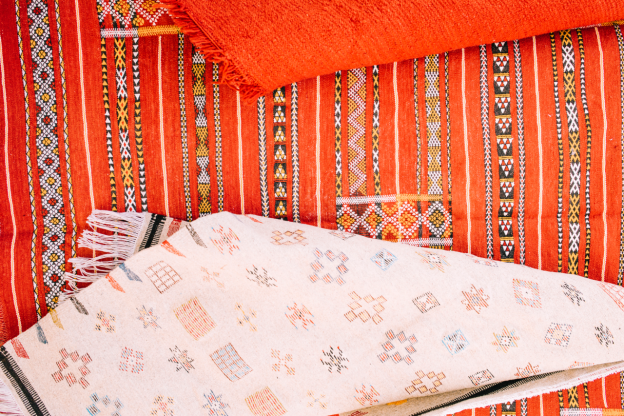
Handmade rugs create a timeless charm in Indian interiors by bridging the gap between modern aesthetics and traditional heritage. Unlike machine-made rugs, using adhesive and synthetic materials to bind fibers together, hand-knotted rugs in Indian home decor create a soulful depth with unique craftsmanship and designs.
Key Takeaways
- Handmade rugs are the epitome of cultural heritage and narrative, with traditional woven styles and designs.
- Supports the interior with versatility – boho & urban style, minimalist interiors, and quiet luxury.
- Compared to machine-made rugs, handmade options are better choices due to their strong durability and structural integrity.
- Sustainable and ethical choices due to the use of natural materials and a high engagement of marginalized Indian communities.
Handmade rugs from India are not just floor coverings, but they stand as a testament to artisan skills and cultural heritage. Research shows that in 2024, the handmade carpet market of India reached $56.4 billion, and it is expected to grow between 2025 and 2030 at a CAGR of 8.0%. The increasing market size reflects the demand for these rugs, whether for traditional or contemporary Indian houses.
But how does it improve the home aesthetics? How does it boost Indian interiors? Let’s find out.
1. Cultural Narrative and Heritage
Hand-knotted rugs are a major component of the Indian home decor trends in 2026. They serve as artistic artifacts conveying exclusive stories through age-old weaving techniques and regional motifs. Here are some of the handmade, natural rugs of India, empowering Indian house aesthetics for decades.
Kashmiri Rugs
These carpets are made of silk or wool, or sometimes a mix of both. The medallion designs and floral patterns made them a part of the luxury decor.
Persian Carpets
Made of wool or silk, Persian carpets improve the interior with geometric and floral designs. The elegance and timeless beauty of these carpets are an outcome of precision and craftsmanship.
Woolen Carpets
With stylish patterns and traditional motifs, handmade woolen carpets are highly embraced in Indian houses. Softness, coziness, and warmth – three key defining factors of these carpets’ endless charm in Indian interiors.
Afghan Carpets
Traditionally, handwoven Afghan carpets are crafted with natural vegetable dyes. The vibrant colors and bold medallion patterns reflect Afghan culture and artistry.
2. Versatility Across Decor Styles
Interior designers of India often suggest handmade rugs as an anchor, empowering the overall home aesthetics and defining spaces with visual balance, especially in open-plan homes. The versatility in decor styles of the Regal Hand Knotted Rug or the Crawford Hand Knotted Wool Rug makes them essential in traditional and Indian contemporary interiors.
Minimalist Interiors
A vibrant Providence Wool & Silk Rug or Masai Jute Rug creates a striking focal point in minimalist Indian houses. The warmth and texture improve the designs of neutral spaces.
Boho & Urban Style
Grain Wool rugs or contemporary geometric wool rugs play a pivotal role in improving urban and boho-style interiors. The earthy designs and colors create an eclectic look in living rooms with a grand touch of luxury.
Quiet Luxury
Handmade rugs like Dusk Ombré Rug or Meadow Ombré Rug offer a rich, luxurious look in Indian interiors. The sophisticated and textural effects offer consistency and appeal, improving the mood of the house.
3. Sensory Comfort and Longevity
Hand-knotted rugs provide an exclusive combination of exceptional longevity and sensory comfort. It is embedded in the use of premium natural materials and artisanal supremacy.
Tactile Luxury
Often regarded for soft feeling and resilience, natural fibers like wool are highly acknowledged in Indian interiors. Moreover, silk offers a luster and elegant glide, while the cloud-like cushion, fostered by high-pile designs, is suitable for relaxation.
Acoustic & Thermal Benefits
The hand-knotted rugs work as natural sound absorbers. It reduces echoes and ambient noise, leading to an intimate and relaxed atmosphere. The handmade, natural rugs in India are also known for creating warm floors in colder climates and thermal insulation.
Generational Durability
With aesthetics and charm, handmade rugs also come with durability. A well-maintained rug can last 20-50 years and eventually becomes a family heirloom. Compared to machine-made rugs, showing wear after 3-10 years, these serve as an asset.
Structural Integrity
The dense and resilient structure of hand-knotted rugs, supported by craftsmanship, makes them useful in heavy foot traffic areas. While machine-glued fibers often start shedding after a certain period, handwoven carpets stay intact in high-traffic areas like hallways or dining rooms.
Check the table below to know some key differences between handmade and machine-made rugs.
| Feature | Handmade Rugs | Machine-Made Rugs |
| Construction Method | Individually woven by artisans on a loom. | Mass-produced in factories, with the use of automated looms. |
| Structural Integrity | Interlocking knots provide a robust and flexible structure. | Relies on latex or glue to hold fibers in place. |
| Fringe | Part of the foundation. | Glued or sewn onto the finished rug. |
| Durability | Extremely Durable: 20-50 Years. | Low to Moderate: 3-10 Years |
| Material Quality | Mostly natural fibers, such as wool, silk, and cotton. | Mostly synthetic fibers, such as nylon, polypropylene, and polyester. |
Table: Differences between Handmade and Machine-made Rugs
4. Sustainable and Ethical Choice
Handwoven, natural rugs of India are a premium choice due to their sustainable and ethical production. Here’s why it is a sustainable and ethical choice for Indian interiors.
Natural Materials & Eco-Friendly Production
Typically made of sustainable, renewable, and biodegradable natural materials, such as wool, silk, cotton, and jute, handmade carpets decompose easily after being discarded. They do not release any toxic materials that could harm the soil or waterbodies. However, since the production involves manual labor, it results in lower energy consumption.
Empowering Marginalized Groups
Apart from preserving cultural heritage, including cultural artistry and traditional weaving methods, the handmade rug industry of India supports marginalized groups. A 2024 report suggests that the industry involves more than 40,000 artisans, among which 85% are women from underserved tribes and castes. It promotes holistic growth and ensures their long-term socio-economic progress.
Give Your Interiors a Classic Makeover with Handmade Natural Rugs
Planning to renovate your interior? Handmade rugs can certainly be a key driving factor in your house. Choose the best rug-selling company, following their online reviews and testimonials. Don’t forget to check the pricing to find affordable carpets for your house.
