 by
by 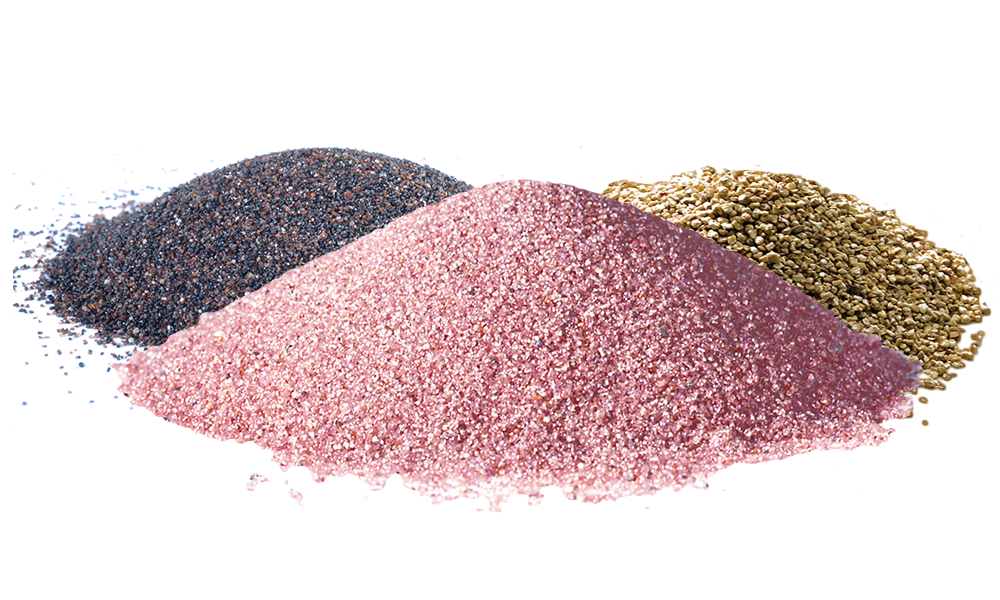
Key Takeaways
- Choose abrasive media based on the substrate, the material being removed, the required surface profile, and the final coating system.
- Hard, angular media can remove corrosion and thick coatings efficiently, while softer media help protect delicate surfaces.
- Dust control, containment, respiratory protection, and waste handling are essential parts of a blasting plan.
- A small test patch can prevent costly damage, rework, and coating failures.
Abrasive blasting is not simply a matter of choosing the strongest material and increasing air pressure. The right Media Blast approach balances cleaning speed with surface protection, worker safety, cleanup requirements, and the finish that will be applied afterward.
Whether the job involves structural steel, aluminum equipment, wood trim, masonry, or fiberglass, the abrasive should match the material and the intended result. A process that strips rust quickly from heavy steel can easily warp thin sheet metal, roughen soft aluminum, or damage historic stone.
Why Media Selection Matters
Media selection affects far more than removal speed. It influences dust generation, waste volume, equipment wear, labor time, surface texture, and coating adhesion. For example, heavily rusted structural steel may require an angular abrasive to cut through scale and leave a profile for primer. Light oxidation on aluminum may call for a gentler material and lower pressure to avoid gouging or distortion.
The most aggressive abrasive is not always the most productive choice. If it creates an overly deep profile, damages edges, or requires extensive cleanup, the apparent time savings can disappear during repair and recoating.
What Abrasive Media Does To A Surface
Abrasives can cut, peen, polish, or texture a surface. Angular particles tend to cut and create a sharper profile. Rounded particles often peel or clean with less cutting action. Particle size, hardness, shape, nozzle distance, blast angle, and air pressure all change the outcome.
Removing a coating and preparing a surface for a new coating are related but different goals. A surface may look clean while still having a profile that is too shallow for adhesion, too deep for the coating thickness, or too uneven for a consistent finish.
How To Match Media To The Substrate
Hard Metals
Steel and cast iron can generally tolerate harder abrasives, especially when rust, mill scale, or thick coatings must be removed. Aluminum oxide, garnet, and steel grit may be appropriate depending on the desired profile, recovery system, and coating specification.
Soft Metals
Aluminum, brass, copper, and thin-gauge metal require closer control. Excessive pressure or aggressive media can cause warping, embedded particles, roughness, edge rounding, and visible damage. Start with conservative settings and inspect frequently.
Wood, Fiberglass, And Composites
Softer materials benefit from gentle media, controlled flow, and lower pressure. Plastic media or walnut shell may help remove coatings without cutting deeply into the base material. Test areas are especially important because age, moisture, and prior repairs can make a surface unpredictable.
Concrete, Brick, And Stone
Masonry can contain weak joints, hidden cracks, moisture, or deteriorated areas. Select media and pressure carefully to avoid exposing aggregate, eroding mortar, or permanently changing the appearance of a historic surface.
Comparing Common Abrasive Media
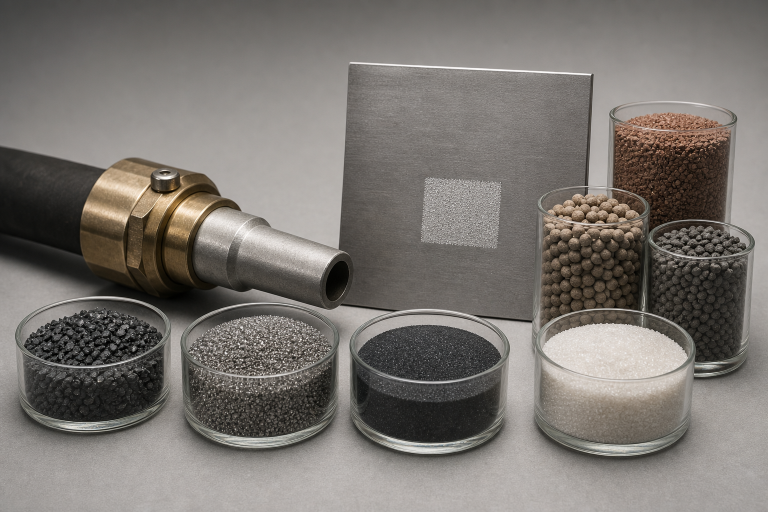
- Glass bead: A gentle to moderate option for cleaning and satin finishing on metal. It is usually not the fastest choice for a heavy scale.
- Aluminum oxide: Hard and angular, making it useful for coating removal and profile creation. It can be too aggressive for soft or thin materials.
- Garnet: A moderate to high-strength mineral abrasive suited to general corrosion removal and surface preparation. Plan for collection and disposal.
- Plastic media: Useful for delicate coatings and softer substrates where damage control matters more than maximum cutting speed.
- Walnut shell: A low-aggression choice for restoration and gentle cleaning. It is not designed for heavy rust or thick scale.
- Steel shot or grit: Effective on durable steel parts, particularly in controlled recovery systems. It can create a pronounced profile and is unsuitable for many soft surfaces.
Choosing Between Dry, Wet, And Low-Dust Methods
Dry blasting is versatile and effective, but it can create substantial airborne dust. Wet blasting and vapor-assisted methods can reduce dust, but they introduce drying time, flash-rust concerns, runoff management, and the potential for wastewater contamination. Dry ice blasting can reduce secondary abrasive waste for selected cleaning jobs, but it may not produce the surface profile needed for every coating system.
OSHA abrasive blasting guidance explains the importance of containment, ventilation, exclusion zones, waste management, and alternative methods such as wet blasting. Lower dust does not mean zero exposure risk, particularly when old coatings or contaminated surfaces are being removed.
Safety Checks Before Work Begins
Review The Existing Coating
When coating history is unknown, identify the material before blasting. Older paint can contain lead, chromium, or other hazardous substances, which may change the required controls, cleanup process, and disposal method.
Control The Work Area
- Use barriers, warning signs, and restricted-access zones.
- Plan ventilation, dust collection, containment, and drain protection before work begins.
- Inspect hoses, couplings, nozzles, controls, filters, and compressed-air moisture management systems.
- Protect nearby vehicles, finished surfaces, equipment, and bystanders.
Use Suitable Protective Equipment
Protective equipment may include an appropriate blasting respirator or supplied-air system, hearing protection, gloves, protective clothing, eye protection, and safety footwear. NIOSH abrasive blasting research highlights the risks associated with respirable dust, high-speed particles, noise, and contaminants released from both the abrasive and the coating being removed.
Steps For Testing A New Media
- Clean oil, grease, loose debris, and visible salts from a small test area.
- Record the substrate, coating condition, corrosion level, and existing damage.
- Begin with lower pressure, controlled media flow, and a safe nozzle distance.
- Inspect for cleanliness, profile, discoloration, edge damage, and distortion.
- Adjust only one variable at a time, such as pressure, angle, distance, or media size.
- Compare the completed test patch with the coating manufacturer’s preparation requirements.
- Document the successful setup for repeatable production work.
Common Selection Mistakes To Avoid
- Choosing media based only on purchase price.
- Use one abrasive for every substrate and coating type.
- Blasting over grease, moisture, salts, or loose contamination.
- Increasing pressure to rush the job excessively.
- Skipping test patches on thin, soft, historic, or high-value surfaces.
- Ignoring recovery, cleanup, disposal, and rework costs.
How To Build A Repeatable Blasting Process
Create a simple selection chart for frequently blasted materials, then document the media, pressure, nozzle type, distance, production rate, inspection results, and coating performance. Check equipment regularly, track media consumption, and review the process when the substrate, coating, work location, or weather conditions change.
Frequently Asked Questions
What Is The Best Abrasive Media For Rust Removal?
The best choice depends on the rust depth, metal thickness, coating requirements, containment, and the required profile. Durable steel often tolerates harder media, while softer substrates need less aggressive options.
Can Abrasive Blasting Damage Metal?
Yes. Incorrect media, excessive pressure, poor nozzle technique, or repeated passes can cause warping, pitting, roughness, and an overly deep profile.
Is Wet Blasting Always Safer?
Wet methods can reduce airborne dust, but they still require controls for contaminated water, slippery surfaces, electrical hazards, corrosion, and worker exposure.
How Do You Know If A Surface Is Ready For Coating?
Check cleanliness, profile, dryness, dust levels, remaining contamination, flash rust, and the specific requirements of the coating system.
Conclusion
Choosing abrasive media begins with the surface, the contaminant or coating being removed, and the finish that must follow. A careful match improves cleaning efficiency, protects the substrate, reduces waste, and supports a longer-lasting coating result. The most effective blasting process is the one that delivers the required surface condition while controlling hazards, costs, and unnecessary damage.

