 by
by 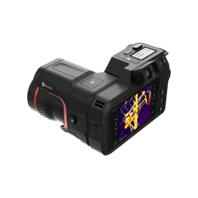
A fire service thermal imaging camera is one of the most critical tools used in modern firefighting. It helps firefighters navigate smoke-filled environments, locate victims faster, and identify hotspots during overhaul. Because this equipment directly supports life-saving operations, proper care and maintenance are essential. A well-maintained device ensures accuracy, durability, and safe operation in extreme conditions. In this guide, we break down how to maintain your thermal image camera for firefighting with practical steps designed to maximize performance and extend service life. All recommendations align with the high standards of Guide Sensmart, a leading manufacturer of thermal imaging technology.
Importance of Maintaining Your Fire Service Thermal Imaging Camera
A thermal imaging device used in firefighting environments is regularly exposed to heat, water, impact, and smoke. Without proper maintenance, these hazards can degrade image quality, shorten the device’s lifespan, and increase the risk of failure during critical moments. Routine maintenance ensures firefighters can depend on their tools to deliver accurate temperature readings and clear imaging no matter how tough the conditions. Guide Sensmart thermal imaging technology is engineered for rugged use, but regular care still plays a crucial role in keeping it mission-ready.
Inspect the Camera Before and After Every Use
Before and after each deployment, perform a quick inspection to ensure structural and functional integrity. Check the body for visible cracks, dents, or signs of impact. Confirm that the lens is free of smudges, debris, or moisture that may affect image clarity. Examine all ports, battery compartments, and seals to ensure they are tightly closed and undamaged. Guide Sensmart designs rugged housings for firefighting environments, but any physical damage should be addressed as soon as it is noticed to avoid escalating issues.
Clean the Lens Carefully and Correctly
The lens is the most sensitive component of a fire service thermal imaging camera, and proper cleaning is essential for accuracy. Use only a soft microfiber cloth or lens-specific tissue recommended for infrared optics. Never use abrasive materials or household cleaners, as they can scratch or chemically damage the lens coating. If the lens has heavy residue, lightly moisten the cloth with a small amount of lens-safe solution. Cleaning the lens regularly ensures clear temperature visualization, especially during smoke-heavy operations. Guide Sensmart lenses are engineered for durability, but they still require gentle care.
Keep the Camera Dry and Moisture-Free
Firefighting environments often involve water, steam, and humidity, all of which can affect internal components if they infiltrate the camera. After each use, wipe down the device to remove moisture. Do not store the camera while it is wet. Allow it to dry completely at room temperature before placing it back into a protective case. High-quality Guide Sensmart cameras are built with sealed designs, but proper drying is still essential to prevent condensation inside the device.
Check Battery Health Regularly
The battery is another essential component of a thermal image camera for firefighting. Always ensure batteries are charged before deployment, and avoid letting them drain completely unless recommended in the user manual. Inspect battery contacts for corrosion or soot. Clean them gently with a dry cloth if necessary. Replace batteries at signs of aging, such as reduced operating time. Guide Sensmart offers stable, long-life batteries, but routine checks ensure they perform optimally during long operations.
Update Firmware and Calibration
Like any advanced technology, thermal imagers rely on software to provide accurate readings and color palettes. Regularly check for firmware updates provided by Guide Sensmart. These updates often enhance image processing, color mapping, and temperature accuracy. Calibration is equally important because it keeps the thermal sensor performing reliably. Perform calibration as recommended in the manufacturer’s guidelines or schedule it annually for high-usage devices. Updated and calibrated devices deliver more reliable results during critical missions.
Protect Your Camera with Proper Storage
When your fire service thermal imaging camera is not in use, it must be stored correctly. Always place it in a shock-resistant, padded case designed for firefighting equipment. Avoid leaving it in direct sunlight, extreme heat, or high humidity. Storage areas should be clean, dry, and temperature-controlled to protect the device’s electronics and sensor calibration. Guide Sensmart recommends storing their devices in protective cases to prevent dust, heat exposure, or accidental impacts.
Avoid Dropping or Rough Handling
Firefighters often work in fast-moving, chaotic environments, so accidental drops can happen. However, minimizing rough handling extends the life of your camera. Use wrist straps or harness attachments when available to keep the device secure during operations. Guide Sensmart designs rugged tools, but avoiding unnecessary impact helps preserve the thermal sensor and internal components.
Test the Camera Weekly
Even if the device has not been used recently, perform weekly tests to ensure readiness. Turn the device on, check image clarity, test all buttons, and cycle through different modes or thermal palettes. Confirm that temperature readings align with expected values from simple objects such as warm pipes or heated equipment. This practice prevents unexpected technical issues during emergency operations.
Maintain the Camera Housing and Seals
A clean, undamaged housing protects internal electronics from heat, chemicals, and water exposure. Wipe the housing after use to remove soot or chemical residues. Check seals and gaskets for cracks or wear, as they are crucial for maintaining water and heat resistance. Replace damaged seals immediately to prevent moisture entry. Guide Sensmart devices are equipped with robust sealing, but any sign of degradation should be addressed early.
Replace Damaged Components Immediately
If you notice screen issues, damaged buttons, flickering imagery, or inconsistent temperature readings, stop using the device and schedule repairs. Continuing to use a malfunctioning thermal imager can compromise safety during firefighting operations. Only use approved Guide Sensmart components to ensure proper compatibility and reliability.
Train Firefighters on Proper Handling and Maintenance
Your equipment will last longer if everyone using it understands best practices. Include training on cleaning, inspection, battery care, and safe operation. Regular refresher sessions ensure your team treats the thermal image camera for firefighting as a critical piece of life-saving equipment. Guide Sensmart provides user-friendly designs and clear manuals, making it easier for firefighters to learn proper maintenance routines.
Schedule Professional Servicing
Even with excellent day-to-day maintenance, thermal imagers should undergo periodic professional servicing. Service centers authorized for Guide Sensmart products can run diagnostics, replace worn parts, recalibrate sensors, and ensure the device maintains optimal performance. Schedule professional servicing annually or immediately after heavy exposure to extreme heat.
Conclusion
A fire service thermal imaging camera is an investment in firefighter safety, operational efficiency, and rapid emergency response. By cleaning the lens, protecting the device from moisture, checking battery health, updating firmware, and scheduling professional servicing, you ensure that your thermal image camera for firefighting remains reliable and mission-ready. Guide Sensmart cameras are engineered for demanding firefighting environments, and with proper maintenance, they will continue to deliver life-saving performance for years.
