 by
by 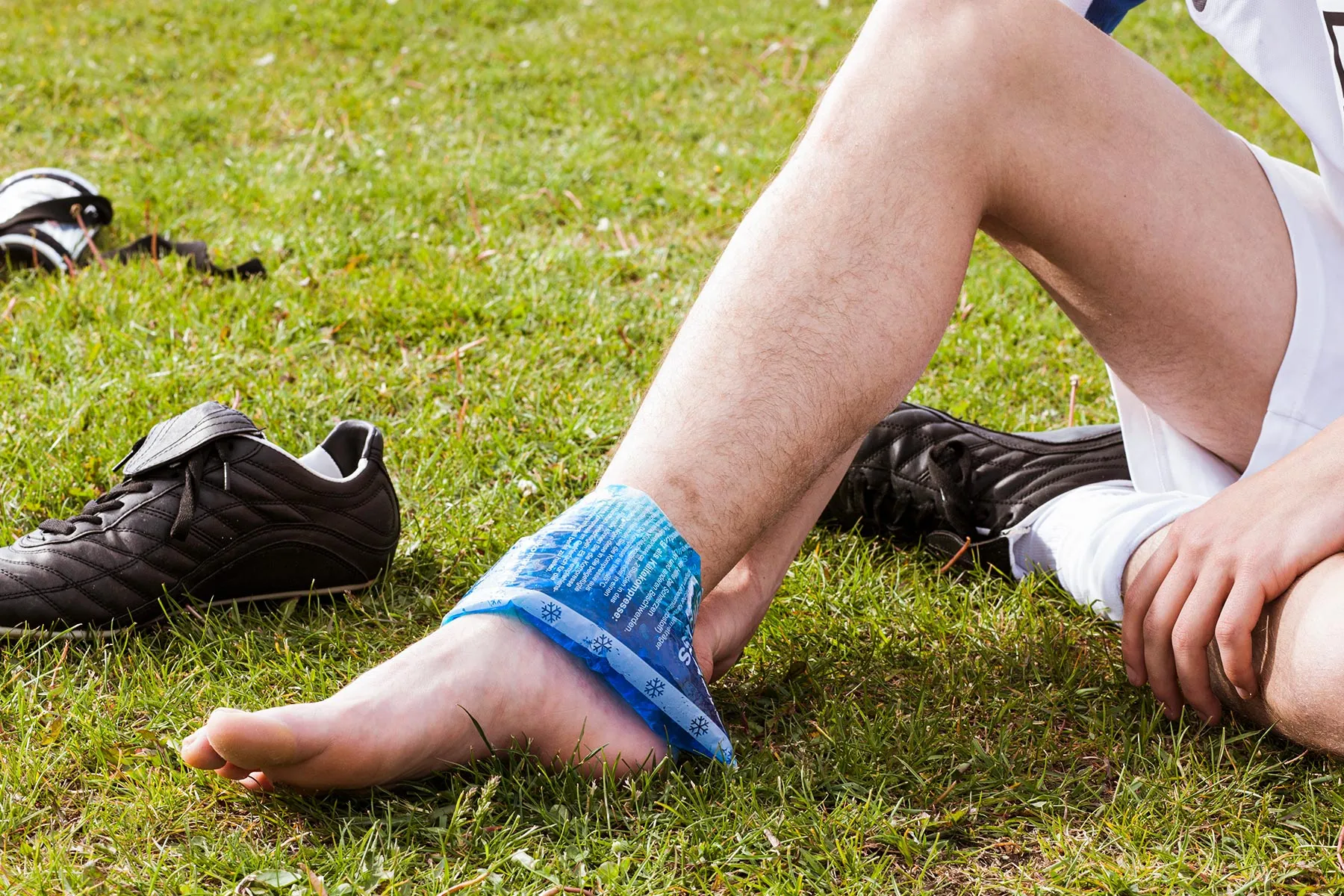
Participating in sports demands regular and stress-intensive use of the ankles, which can make them particularly prone to injuries. Ankles are complex structures composed of bones, muscles, tendons, and ligaments, working together to provide mobility and stability. Without proper care and measures, the risk of an ankle injury during sports increases significantly. Here are the ways to treat and prevent ankle injuries during sport:.
Put On Proper Footwear
Choosing the appropriate footwear is a key step in preventing an ankle injury during sports activities. Shoes that offer adequate support, cushioning, and stability help reduce the risk of strain or misalignment of the ankle joint. For athletes, sport-specific shoes are recommended, as they are designed to handle the demands of intensive activities. For instance, running shoes should provide shock absorption, while court shoes must offer lateral support. Replacing worn-out shoes is key, as diminished tread and structural integrity can compromise stability and increase the likelihood of injury.
Practice Strengthening Exercises
Strengthening the muscles around the ankle joint is necessary for preventing an ankle injury. Exercises such as heel raises, ankle rotations, and resistance band training improve muscle strength and joint stability. Targeting the calf muscles, peroneal muscles, and other support structures makes sure they can adequately handle the stresses of physical activity. Engaging in a regular exercise routine not only fortifies the ankle but also enhances overall balance and coordination, further reducing the risk of sprains or other injuries.
Incorporate Warm-up and Stretching
Proper stretching and warm-up activities are primary components of any physical regimen to prevent ankle injuries. Stretching the muscles around the ankle improves flexibility and reduces tension in tendons, which minimizes the risk of strain. Dynamic stretches, such as ankle circles or toe-to-heel walks, promote mobility while preparing the joint for movement. A warm-up consisting of light cardiovascular activity boosts blood flow and preps the muscles for more strenuous activities, effectively reducing the likelihood of an ankle injury during exercise or sports.
Use Braces or Taping When Necessary
Using external support such as braces or athletic tape can be highly beneficial for individuals prone to ankle injuries or those recovering from a previous sprain. These devices provide extra stability and restrict potentially harmful movements that could lead to an ankle injury. Ankle braces are particularly useful in high-impact sports or activities with frequent lateral movements, such as basketball or tennis. It is necessary to make sure they fit properly. Also, do not over-rely on braces; long-term use without strengthening exercises may lead to muscle weakness.
Focus on Technique
Proper technique is a key factor in preventing injuries and optimizing performance during physical activity. Poor form or improper execution of movements can limit the effectiveness of exercises and place unnecessary strain on muscles, joints, and ligaments, increasing the risk of an ankle injury. Emphasizing mastery of technique is necessary, particularly for beginners or individuals returning to sports after an injury.
Professional guidance can be highly beneficial for enhancing technique. Working with a certified coach or physiotherapist helps identify flaws in movement patterns and promotes a personalized approach to improvement. Incorporating balance and proprioception exercises into a training regimen can refine motor control and coordination. This supports proper alignment and movement efficiency.
Take Care of Your Ankle Injury
While preventive measures and care strategies can significantly reduce the risk of ankle injuries, recurring pain or severe injuries should never be ignored. A podiatrist is equipped to diagnose and treat ankle issues, making sure that athletes can return to their activities safely and effectively. Schedule a consultation today to address any underlying concerns and protect your ankle health.
