 by
by 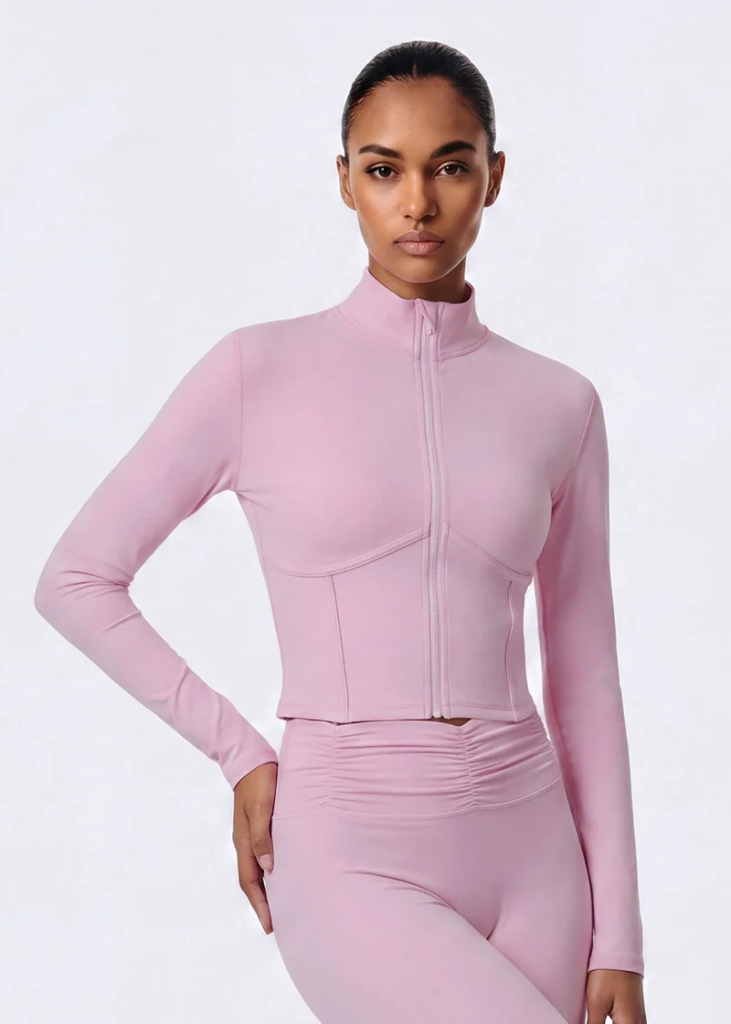
In the rapidly growing world of low-impact fitness, where mindful movement meets modern aesthetics, the pilates outfit has evolved from a simple workout ensemble into a deliberate expression of personal style and practical performance. Whether you are stepping onto a reformer for the first time or are a seasoned studio regular, the right outfit is not just about looking the part; it is about enhancing your ability to move, breathe, and connect with your body throughout the session. Unlike high-intensity training that demands heavy-duty compression and maximum impact support, a pilates outfit is defined by its focus on comfort, flexibility, and a “second skin” feel that allows instructors to easily observe your alignment and form. The industry that produces these specialized garments has responded with innovative fabrics, thoughtful construction, and a range of silhouettes that cater to the diverse needs of practitioners, from those favoring classic high-waisted leggings to those embracing the sleek lines of a bodysuit. Understanding the essential elements, material choices, and studio-specific requirements for a pilates outfit is crucial for anyone looking to feel confident, supported, and focused during their practice, ensuring that clothing becomes an asset rather than a distraction.
The Essential Components of a Studio-Ready Pilates Outfit
Building a functional and stylish pilates outfit begins with selecting the right foundational pieces that prioritize both movement and coverage, ensuring you can flow through every exercise without restriction. The most common and versatile bottom choice is a pair of high-waisted leggings or bike shorts, which provide essential coverage and stay securely in place during deep stretches and inversions, a critical factor given the range of motion required in Pilates. The high-waist design offers gentle core support and eliminates the distraction of constantly adjusting waistbands, allowing you to focus entirely on your form. For the top half, a supportive sports bra paired with a close-fitting tank, t-shirt, or bodysuit is ideal, as these form-fitting layers prevent fabric from bunching or riding up during movements like the hundred or roll-up. Many practitioners favor seamless, buttery-soft fabrics that feel weightless against the skin and allow for complete freedom of movement, creating a streamlined silhouette that is both comfortable and practical. Ultimately, the best pilates outfit is one that fits snugly enough to allow you to see your form in the mirror but flexibly enough to never feel restrictive, enabling you to fully engage in the workout.
The Critical Role of Grip Socks in Safety and Hygiene
Perhaps the most non-negotiable element of a pilates outfit, particularly for reformer classes, is the inclusion of specialized grip socks, which serve as a crucial link between the practitioner and the equipment. These socks, featuring rubber or silicone patterns on the sole, provide essential traction on the slippery surface of the reformer carriage and the mat, preventing unwanted sliding during movements that require balance and stability. Most studios mandate their use not only for safety but also for hygiene, as they create a clean barrier between bare feet and shared equipment, reducing the risk of fungal infections. Wearing grip socks allows you to feel securely planted in precarious positions, such as standing splits or plank, giving you the confidence to execute exercises effectively without the fear of losing your footing. While you might be tempted to skip them, they are the one item that experts and instructors consistently recommend as an absolute essential for a successful and sanitary practice.
The Importance of Strategic Layering
A thoughtfully considered pilates outfit often includes a strategic layer, as studio temperatures can shift dramatically from cool to warm during a session, making the ability to adjust your attire essential for maintaining comfort. Many practitioners arrive at class wearing a lightweight zip-up, oversized sweatshirt, or cropped hoodie over their base layer, which provides warmth during the initial rest period and the cool-down. Once the body begins to generate internal heat through slow, controlled movements, this layer can be easily removed and set aside, ensuring you do not overheat during the more demanding parts of the class. This layer also plays a significant role in the overall aesthetic, helping to transition your pilates outfit from a purely functional workout ensemble to a “studio-to-street” look that is perfect for running errands or grabbing coffee after class. By choosing a cozy but breathable top layer, you ensure that your pilates outfit is just as practical for the moments before and after your workout as it is for the session itself.
The Fabric Technologies That Enhance the Pilates Experience
The performance and comfort of a pilates outfit depend significantly on the technical fabrics used in its construction, with leading brands employing materials specifically designed to meet the demands of controlled, low-impact movement. The four-way stretch capability of modern activewear fabrics enables unrestricted movement in all directions, allowing practitioners to transition seamlessly between exercises without feeling constrained by their clothing. The moisture-wicking properties of quality pilates fabrics draw sweat away from the skin and disperse it across the fabric surface where it evaporates quickly, preventing the uncomfortable clamminess that can occur during sustained effort. The breathability of the fabric is essential for temperature regulation during practice, because the body generates heat through controlled movement, and fabrics that allow air circulation help prevent overheating. The buttery-soft texture of many premium pilates fabrics provides a luxurious feel against the skin, enhancing the sensory experience of the practice and allowing practitioners to focus fully on their movement. The antimicrobial treatments applied to many performance fabrics prevent the growth of odor-causing bacteria, keeping garments fresher for longer between washes. The fabric technologies behind a quality pilates outfit represent a thoughtful integration of science and design, enabling practitioners to focus on their movement rather than their clothing.

