 by
by 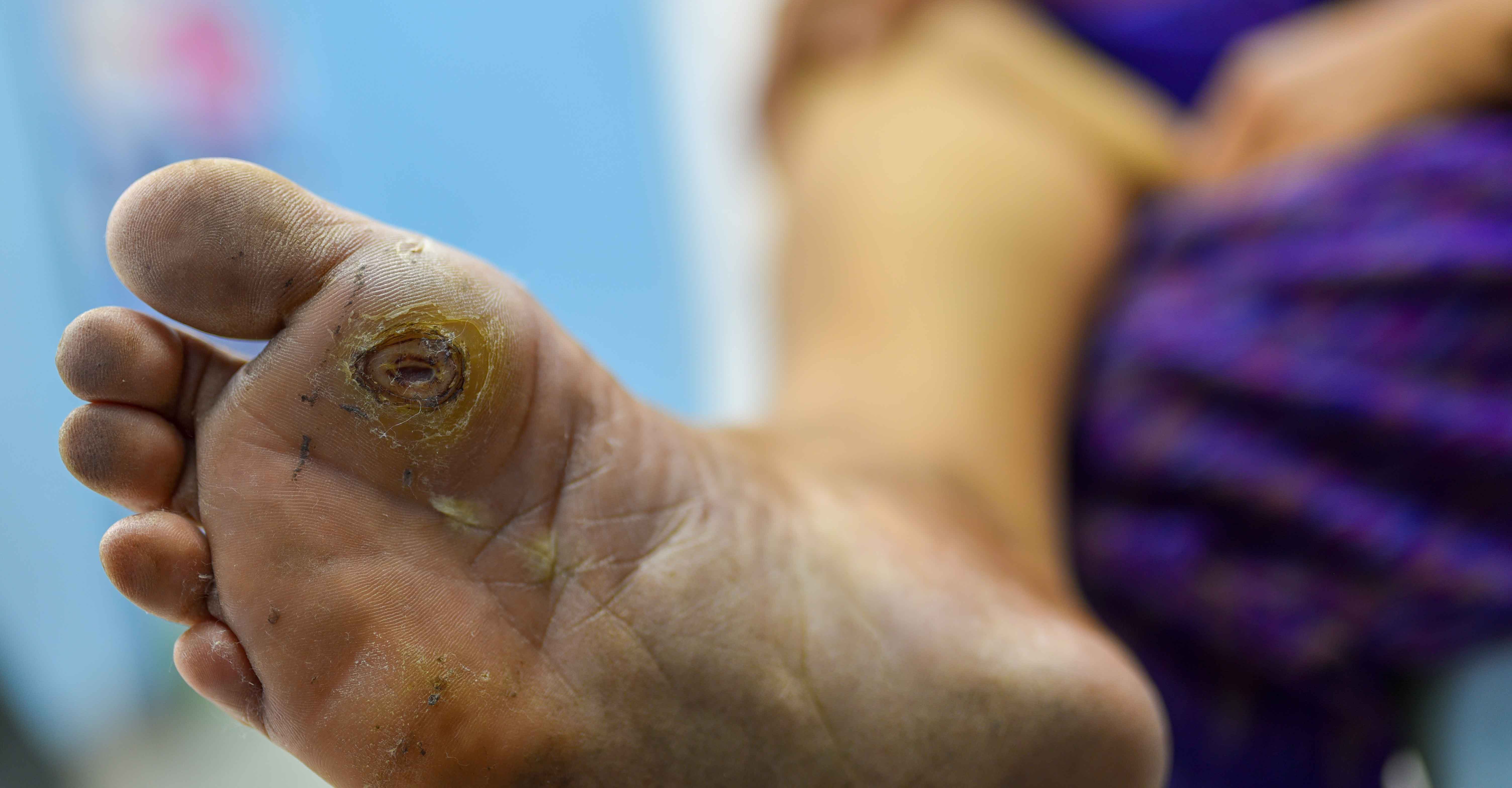
Diabetes can present unique challenges when it comes to wound healing. Individuals managing diabetes often experience slower healing, higher susceptibility to infection, and potential complications with wounds. This may particularly be the case in the lower extremities. This makes diabetic wound care an integral part of overall diabetes management.
Learn What Causes Wounds to Prevent Them
Prevention is a key aspect of maintaining healthy skin for individuals with diabetes. Wounds can develop from various causes, including minor injuries, prolonged pressure, and reduced blood circulation. Certain areas, such as the feet, are particularly vulnerable due to reduced sensation and limited blood flow. This can be common in diabetes.
To reduce the chances of wounds occurring, it is helpful to practice daily skin checks. Inspect your feet for any signs of cuts, blisters, redness, or irritation. Wearing protective footwear may minimize the risk of injuries that could lead to open wounds. Making sure that footwear fits properly can also significantly reduce pressure points. Moisturizing the skin regularly helps prevent dryness or cracking.
Understand How to Treat Wounds
When a wound does occur, proper and prompt diabetic wound care can make a difference in healing outcomes. The first step is to clean the wound gently with mild soap and warm water to remove any debris or bacteria. After cleaning, pat the wound dry and apply an appropriate dressing to maintain a moist wound environment. This may help wounds heal more effectively compared to leaving them open to the air. Monitor the wound regularly, noting any changes in size, color, or drainage. Clear drainage can indicate normal healing, whereas yellow or green discharge might suggest an infection.
Know When to Seek Medical Diabetic Wound Care
There are situations where at-home care may not suffice, and medical evaluation becomes necessary. Signs of infection, such as redness extending beyond the wound, increased swelling, or pus, should prompt seeking medical care. Non-healing wounds are another reason to consult a medical professional. If a wound shows little to no signs of healing after an extensive period of proper care or if it worsens, further assessment may be required. Delayed healing can sometimes result from underlying health concerns.
Healthcare providers specializing in diabetic wound care may offer advanced treatments, including dressings with properties that help prevent infection, debridement (the removal of dead tissue), and other therapies tailored to the wound’s condition. Seeking medical attention promptly can help reduce the risk of complications, such as ulcers or infections that spread to deeper tissues.
Learning More From a Medical Professional
While managing diabetic wounds may be challenging, adopting preventive measures, providing proper care, and recognizing when professional help is needed are foundational steps toward healthier outcomes. Wounds should never be ignored, especially for individuals with diabetes. For tailored advice and advanced care strategies, consult a medical professional who can guide you on the best practices based on your unique needs. Taking active steps to understand wound care will support your health, promoting a safer and more informed approach to managing diabetes.
