 by
by 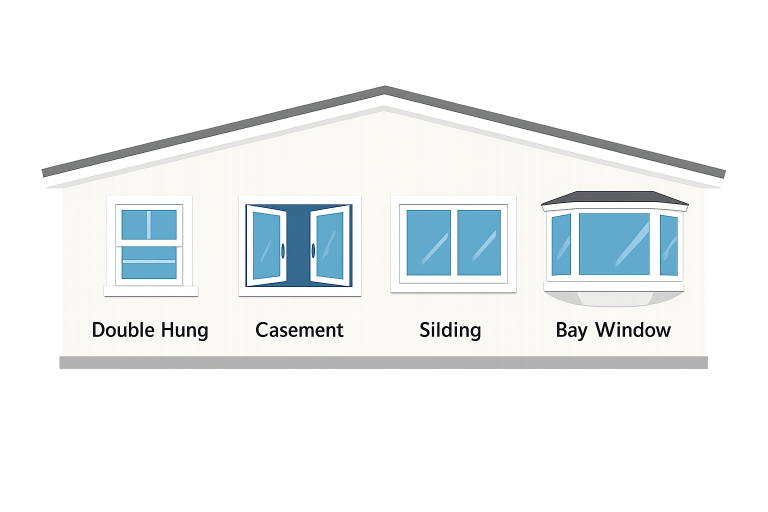
Table of Contents
- Assess Your Needs
- Consider Energy Efficiency
- Evaluate Materials
- Choose the Right Style
- Understand Costs and Budget
- Prioritize Quality and Durability
- Ensure Proper Installation
- Review Warranties and Maintenance
Choosing the right replacement windows can drastically impact your home’s energy usage, comfort, and visual appeal. Before making a purchase, it helps to understand the essential factors involved so you get the best value and performance for your investment. Homeowners should weigh choices carefully, as windows are a significant, long-term improvement. When evaluating the cost of new windows Fort Worth, it pays to consider every aspect from aesthetics to energy efficiency.
Modern replacement windows offer significant upgrades over older models. Advances in window materials and design allow you to address problems like drafts, rising energy bills, and poor insulation. Careful window selection can elevate your home’s curb appeal while improving your everyday living environment. With such a wide variety of options, knowing what to look for ensures your new windows match your needs and enhance your investment.
Assess Your Needs
Start by taking stock of your current windows. Identify any problems such as air leaks, condensation, noise infiltration, or difficulty opening and closing. Pinpointing these concerns will guide you in selecting replacement windows that solve your specific issues. For some homeowners, noise reduction is a priority, while for others, security features or increased ventilation may be key.
Consider the unique conditions and characteristics of your home, such as climate, the direction your windows face, and how much sunlight each room receives. For example, windows exposed to intense sunlight during the hottest part of the day may benefit most from low-E glass coatings that block ultraviolet rays and reduce solar heat gain. Homes in busy areas may require specialized glass to minimize external noise, creating a quiet, serene interior. The more closely your window choices align with your living habits and environment, the more effectively they’ll address your needs.
Consider Energy Efficiency
Energy efficiency is one of the most valuable benefits of new windows. Look for products with the ENERGY STAR® label, which signifies compliance with strict government energy standards. Features like double or triple pane glass, argon gas fills, and low-emissivity (Low-E) coatings can greatly reduce heat transfer, leading to lower utility bills and a more comfortable indoor climate. According to the U.S. Department of Energy, upgrading to energy-efficient windows can save between $126 and $465 a year, depending on your local climate and window type.
It’s also worthwhile to understand window performance ratings, such as the U-factor and Solar Heat Gain Coefficient (SHGC). Windows with lower U-factors provide better insulation, while those with a lower SHGC block more solar heat, an important factor in warmer climates. When browsing window options, these ratings can help you make an informed decision based on measurable performance data rather than just manufacturer claims.
Evaluate Materials
The choice of window frame material affects durability, performance, and aesthetics. Common materials and their characteristics include:
- Vinyl: Offers exceptional energy efficiency and minimal maintenance at an affordable price, although it comes with fewer color choices.
- Wood: Provides excellent insulation and a timeless appearance, but requires frequent painting or staining to prevent deterioration.
- Fiberglass: Very durable, energy-efficient, and low-maintenance, but generally more costly than vinyl or wood.
- Aluminum: Strong, lightweight, and well-suited for contemporary styles, but less insulating than alternatives.
Each material has specific advantages and possible drawbacks. For example, while wood’s beauty is unmatched, it may not be the best fit for humid climates where rot and swelling are concerns. Fiberglass can be painted to match your décor, and though its cost is higher, its longevity might offset that factor. Understanding these nuances empowers you to invest in windows that fit your preferences and regional conditions.
Choose the Right Style
The style of your replacement windows can enhance both the exterior and interior character of your home. Popular designs include:
- Double-Hung: Both sashes can move vertically, providing flexible ventilation and easy cleaning.
- Casement: Hinged on the side and opens outward, maximizing ventilation and offering a clear view.
- Sliding: Operate by sliding one sash over another, which is space-saving and suitable for large window openings.
- Bay or Bow: Extend outward from the home, creating a nook inside and capturing more daylight.
The right window style can also enhance security, accessibility, and ease of use. Casement windows, for example, offer tight seals for superior energy performance and can double as emergency exits. At the same time, double-hung models make it easy to clean both sides from inside the house, an important convenience on upper floors.
Understand Costs and Budget
Replacement window expenses have a wide range, not only due to material and style, but also features like security locks, specialized coatings, or custom shapes. A standard window might cost between $300 and $2,500, with an entire home replacement often topping $7,000. Factor in both upfront cost and expected long-term savings in energy bills when determining your budget. For more details on the factors influencing price, check out this window cost breakdown by Forbes.
It’s also important to ask whether the quotes include installation, removal of the old window, and disposal. Some homeowners overlook these details, which can add extra costs later. Investigate local and federal incentives for energy-efficient upgrades, such as rebates or tax credits, which can help make your window project more affordable. Taking a holistic approach to budgeting ensures there are no surprises along the way.
Prioritize Quality and Durability
Superior window quality translates directly into a better return on your investment over time. High-quality units last longer, require less maintenance, and withstand regular use and weather challenges. Purchasing from reputable manufacturers with proven track records helps ensure your new windows will stand up to daily demands.
Beyond initial construction, pay close attention to hardware quality, such as locks, cranks, or screens, as well as the performance of seals and gaskets. Windows exposed to extreme heat, cold, or wind-driven rain need to be especially resilient. Balancing aesthetics with long-term reliability gives you confidence that your new windows will perform for years to come.
Ensure Proper Installation
Effective window replacement depends as much on proper installation as product quality. Poor installation can lead to drafts, water leaks, and even structural issues. Always hire qualified installers with ample experience, good reviews, and proper certifications. A professional job ensures optimal performance and usually preserves the manufacturer’s warranty.
Don’t hesitate to ask about the installation process itself, including expected timelines, preparation, and cleanup. Knowing what to expect makes the entire experience smoother, avoids potential headaches, and helps ensure the windows integrate seamlessly with your home’s architecture.
Review Warranties and Maintenance
Be sure to understand what your window’s warranty includes. Many warranties cover the frame, sash, and glass against defects, but differ in length and specifics. Review coverage before purchasing and clarify anything unclear. Additionally, consider the upkeep required for each window material. For instance, vinyl and fiberglass are low-maintenance, while wood will require more regular attention to maintain its condition.
It also pays to ask about support after installation. Reputable companies often offer post-installation inspection, adjustment, or repair services. Reviewing these support features and ongoing care recommendations ahead of time helps you protect your investment and extend the lifespan of your new windows. The combination of strong warranties and simple maintenance routines gives you peace of mind in the years to come.
By following these guidelines, you can confidently select replacement windows that improve your home’s efficiency, value, and comfort. Your new windows should suit your style preferences, work within your budget, and last for many years with minimal trouble, bringing both peace of mind and practical benefits to your everyday life.
