 by
by 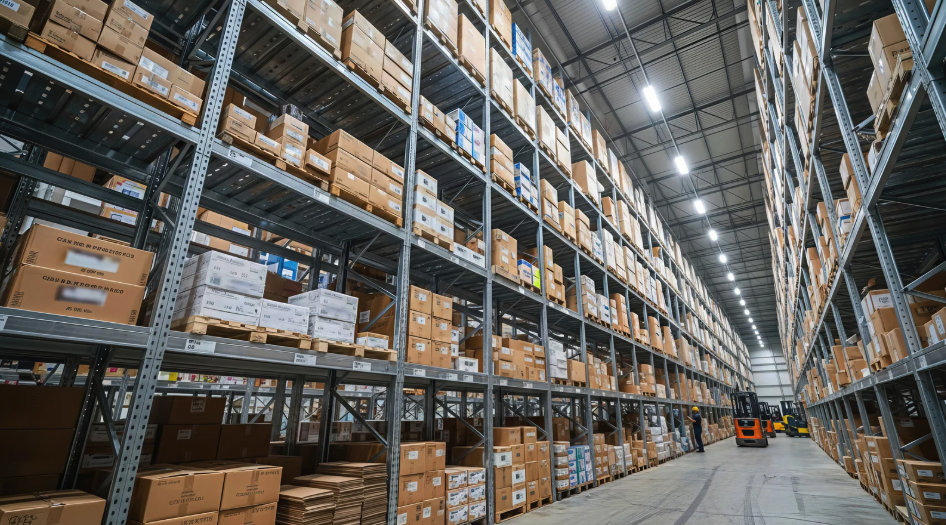
Optimizing a warehouse for long and irregular inventory requires a specialized approach that goes beyond standard shelving solutions. Facilities managing items like lumber, piping, or steel beams often face significant challenges with organization and accessibility. Implementing the correct storage system transforms a cluttered floor into a streamlined operation that enhances safety and productivity. Many industrial managers opt for a structural cantilever rack to provide the robust support needed for heavy loads without the obstruction of front columns. This system allows for faster loading and unloading times, which directly boost the operational throughput of the facility.
Understanding Load Specifications
Selecting the ideal storage unit begins with a comprehensive analysis of the materials you intend to store. The physical characteristics of your inventory dictate the engineering requirements of the system and influence the final design. The primary factor influencing your choice is the weight density and length of the products being handled. Lighter materials might be suitable for roll-formed steel, which offers versatility for medium-duty applications. However, heavy industrial goods require the superior strength of I-beam construction found in structural racks. Engineers assess the load deflection risks to ensure that the arms do not bend under pressure, which preserves the integrity of the product. Understanding the exact dimensions ensures that the arm length and column spacing provide adequate support to prevent sagging. Operators must also consider the potential for future inventory changes to ensure the system remains versatile enough to handle different product mixes.
Calculating Weight Limits
Safety is paramount when dealing with thousands of pounds of inventory suspended above the ground. Facility managers must understand the specific load limits of each arm and the total capacity of the upright columns. Learning how to determine cantilever rack capacity allows operators to configure their systems correctly for safe daily use. This knowledge prevents overloading scenarios that could lead to catastrophic structural failure and protects valuable assets. Professional engineers calculate these capacities based on strict safety margins, ensuring that the rack can withstand dynamic forces during loading. It is crucial to verify these calculations with the manufacturer to maintain a secure working environment.
Layout and Professional Configuration
Integrating a new racking system involves more than just purchasing equipment it requires a strategic design that maximizes the available floor space while maintaining operational flow. The efficiency of a warehouse depends heavily on the ability of forklifts to maneuver safely between rows of storage. Planners must account for the turning radius of the specific material handling equipment used in the facility when determining aisle widths. A well-designed layout reduces the risk of accidental collisions between machinery and rack components. Professional designers create blueprints that balance high-density storage with operational clearance to ensure smooth workflows. They also consider the height of the ceiling and the placement of lighting or sprinkler systems to avoid obstructions. This careful planning prevents bottlenecks and ensures that every square foot of the warehouse is utilized effectively.
The Value of Expert Installation
Proper assembly is critical for the stability and longevity of cantilever systems, especially in regions with specific seismic requirements. Professional installers utilize specialized anchors to secure the central columns to the concrete slab, ensuring the unit remains plumb and stable. They also verify that all bracing is correctly tensioned to resist lateral forces. Relying on experts for installation guarantees compliance with local building codes and safety regulations, which is impossible to verify with self-assembly methods. Experienced teams bring the necessary tools and safety gear to complete the project efficiently, minimizing downtime for your business operations.
Conclusion
Choosing the appropriate storage solution is a strategic investment that impacts the safety and efficiency of the entire operation. By carefully evaluating load requirements and relying on professional design expertise, warehouse managers can implement a system that meets their specific needs. A correctly specified and installed rack provides years of reliable service while protecting both the workforce and the inventory. Prioritizing expert guidance ensures that the facility remains organized, secure, and productive for the long term.
